

GLP‑1 receptor agonists have become a hot topic in health and wellness, and for good reason. Originally developed to help people with type 2 diabetes manage their blood sugar, these medications have shown remarkable effects on appetite and weight loss. But what exactly is GLP‑1, and how do these drugs work?
That’s where Zealthy comes in. By introducing GLP‑1 receptor agonists, we help your body regain balance, control blood sugar, and naturally reduce appetite, so you can feel healthier and more energized every day.
Understanding GLP‑1
Glucagon-like peptide‑1, or GLP‑1, is a hormone naturally produced in the small intestine. When food enters your gut, GLP‑1 signals your pancreas to release insulin, reduces the secretion of glucagon (which normally raises blood sugar), slows down digestion, and communicates with your brain to let you know you’re full. Essentially, GLP‑1 helps your body manage glucose efficiently and keeps hunger in check.
However, in conditions like type 2 diabetes, this system may not function optimally. Insulin release may be delayed, glucagon levels may remain high, and satiety signals may be weaker. Researchers realized that mimicking GLP‑1 could not only improve blood sugar control but also reduce appetite and support weight loss.
How GLP‑1 Medications Work
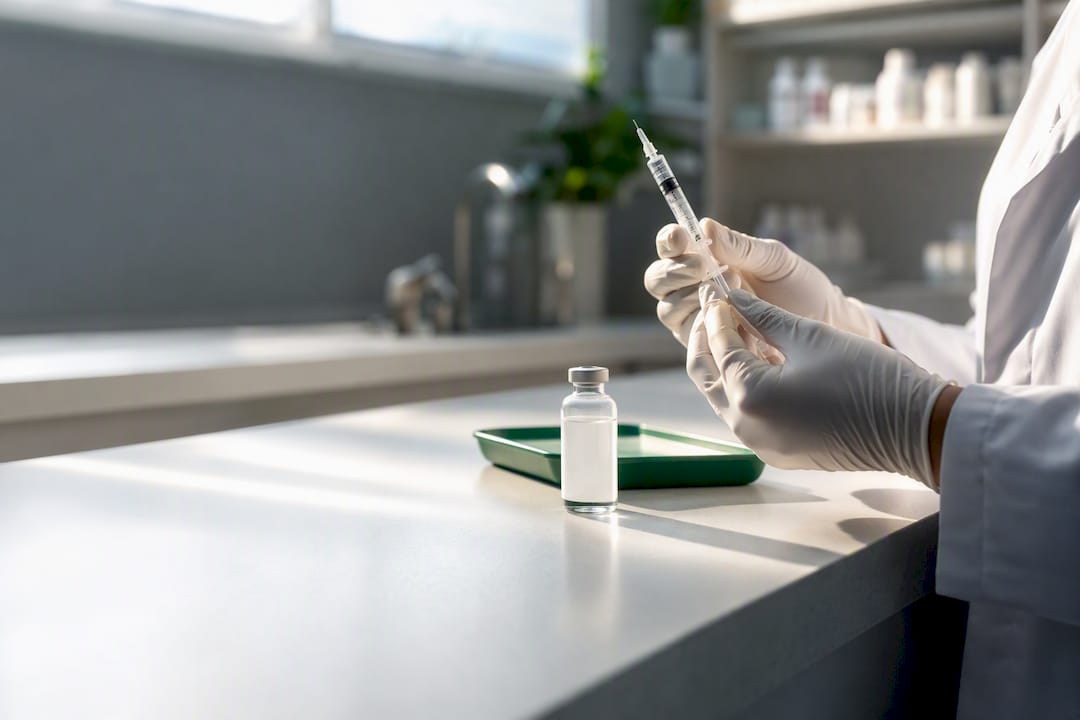
GLP‑1 receptor agonists are drugs that mimic the natural GLP‑1 hormone. Once injected under the skin, usually in the belly, thigh, arm, or upper buttocks, they bind to GLP‑1 receptors in the pancreas, gut, and brain. By doing this, they help your body regulate blood sugar, slow digestion, and increase feelings of fullness.
One of the most significant ways these drugs work is by stimulating insulin release only when glucose is high. This glucose-dependent insulin secretion helps avoid unnecessary spikes in blood sugar while preventing the pancreas from overworking. At the same time, GLP‑1 agonists suppress glucagon, which reduces the liver’s glucose output. The combination creates a smoother, more controlled blood sugar response.
Slowing gastric emptying is another key mechanism. Food stays in the stomach longer, giving your brain more time to register fullness. This reduces overall calorie intake without creating a feeling of deprivation. When paired with the brain's appetite-regulating effects, many people notice they naturally eat smaller portions and feel satisfied with less food.
Additionally, GLP‑1 medications influence how your body handles fat and energy. By improving insulin sensitivity and reducing glucose spikes, the body can more effectively use stored fat as fuel. Over time, this contributes to weight loss and improved metabolic health. With Zealthy, it’s not just about medication; it’s about giving your body the tools to thrive naturally.
The Benefits Beyond Weight Loss
Although these medications were first designed for type 2 diabetes, their benefits extend beyond glucose management. People using GLP‑1 receptor agonists often experience meaningful weight reductions, sometimes losing 10–15% of their body weight, particularly when combined with healthy lifestyle changes.
The drugs also have positive effects on cardiovascular health, liver function, and overall metabolic markers. For example, by lowering post-meal glucose spikes and improving insulin response, GLP‑1 agonists can reduce the strain on the heart and other organs.
By combining cutting-edge science with personalized guidance, Zealthy ensures you get the most out of GLP‑1 therapy safely and effectively.
What to Expect When Taking GLP‑1 Medications
Starting a GLP‑1 medication typically involves a small, once-weekly injection. Many people find that after the initial adjustment period, side effects such as mild nausea or digestive changes subside. You may notice a reduced appetite and smaller portion sizes within days or weeks. Over time, consistent use combined with healthy eating and exercise can lead to significant weight and metabolic improvements.
It’s important to remember that GLP‑1 medications are tools to support a healthier lifestyle; they aren’t magic solutions. Maintaining a healthy diet, staying active, and adopting sustainable habits are essential for long-term success.
Considerations and Safety
Like any medication, GLP‑1 receptor agonists come with potential side effects and considerations. Common side effects include nausea, vomiting, constipation, or diarrhea, particularly at the start of treatment. Some individuals with certain health conditions, such as pancreatitis or thyroid cancers, may not be suitable candidates. Additionally, these medications can be costly, and insurance coverage varies.
Because appetite decreases, it’s important to ensure adequate protein intake and maintain resistance exercise to prevent muscle loss. Finally, stopping GLP‑1 therapy without lifestyle adjustments may result in regaining weight, so it’s critical to integrate long-term habits alongside medication.

Conclusion
GLP‑1 receptor agonists work by leveraging the body’s natural hormone systems to regulate appetite, digestion, and blood sugar. By stimulating insulin, suppressing glucagon, slowing gastric emptying, and signaling fullness to the brain, these medications make it easier to consume fewer calories and improve metabolic health. While highly effective, their best results are achieved when combined with lifestyle changes. Understanding how GLP‑1 works allows individuals to use these therapies safely, effectively, and realistically.
GLP‑1 receptor agonists aren’t just a medication; they’re a game-changing tool for better health. With Zealthy, you can harness the power of modern science to improve blood sugar control, reduce cravings, and achieve lasting results. Start your journey with us today and experience the Zealthy difference.
FAQs
1. What are GLP‑1 receptor agonists?
They are medications that mimic the GLP‑1 hormone, helping control blood sugar and reduce appetite.
2. How soon will I notice appetite changes?
Some users experience reduced hunger within days, but full effects may take several weeks.
3. Can GLP‑1 drugs replace diet and exercise?
No. These medications support healthier habits but work best when combined with nutrition and physical activity.
4. What side effects should I expect?
Mild nausea, digestive changes, or reduced appetite are common and usually ease over time.
5. What happens if I stop taking GLP‑1 drugs?
Without lifestyle changes, appetite may return, and weight regain is possible, highlighting the importance of sustained habits.



.svg)
.svg)
.svg)
.svg)

