TL;DR
- Primary care is a relationship, not a specialty. One provider handles your chronic conditions, preventive screening, mental health check-ins, and the everyday stuff that doesn't fit anywhere else.
- Cash-pay virtual visits generally land under $100, where a new-patient in-person visit paid out of pocket is usually two to three times that before labs get added on.
- Most chronic conditions do fine on video: blood pressure, thyroid, cholesterol, type 2 diabetes monitoring, anxiety and depression, routine refills. Suspected fractures, new chest pain, and anything needing hands on you do not.
- Telehealth copays usually match your in-person copay, but behavioral health is the benefit most often carved out separately. Ask before you book.
- Speed is the real argument. A visit in two days instead of five weeks matters most when there are eleven pills left in the bottle.
A patient I'll call Maria moved from Phoenix to Tucson in March for a new job. She needed a thyroid refill and a second look at a blood pressure reading that had been creeping up. She called three clinics near her new apartment. Soonest new-patient opening: five weeks. One office wasn't taking new patients at all. She had eleven days of pills left.
That gap between "I need a doctor" and "I can actually see one" is the entire reason virtual primary care took off. It's also worth knowing exactly where its limits are before you plan around it.
Table of Contents
- What is the definition of primary care?
- How does an online primary care visit actually work?
- Is virtual primary care cheaper than an in-person visit?
- Which health conditions can virtual primary care treat?
- Does insurance cover a virtual primary care visit?
- What happens after the visit, with prescriptions and refills?
- Your next step
- Frequently asked questions
What is the definition of primary care?
Primary care is the ongoing medical care you get from a provider who treats you as a whole person rather than a single body part. Preventive care. Chronic disease management. Mental health screening. The first stop for most non-emergency concerns and the coordination point for everything else.
The part people underestimate is the "whole person" bit. In practice, a visit booked for a blood pressure recheck turns, somewhere around minute ten, into a conversation about sleep, a job change, a divorce, or the fact that the patient stopped taking a statin eight months ago and never mentioned it. Good primary care catches that. A specialist looking at one organ system usually doesn't, because it isn't their job.
What primary care is not: urgent care for a broken wrist, an ER for chest pain, or a cardiologist for an arrhythmia. It's the layer sitting above all of those, deciding which one you need and keeping the record straight afterward.
How does an online primary care visit actually work?
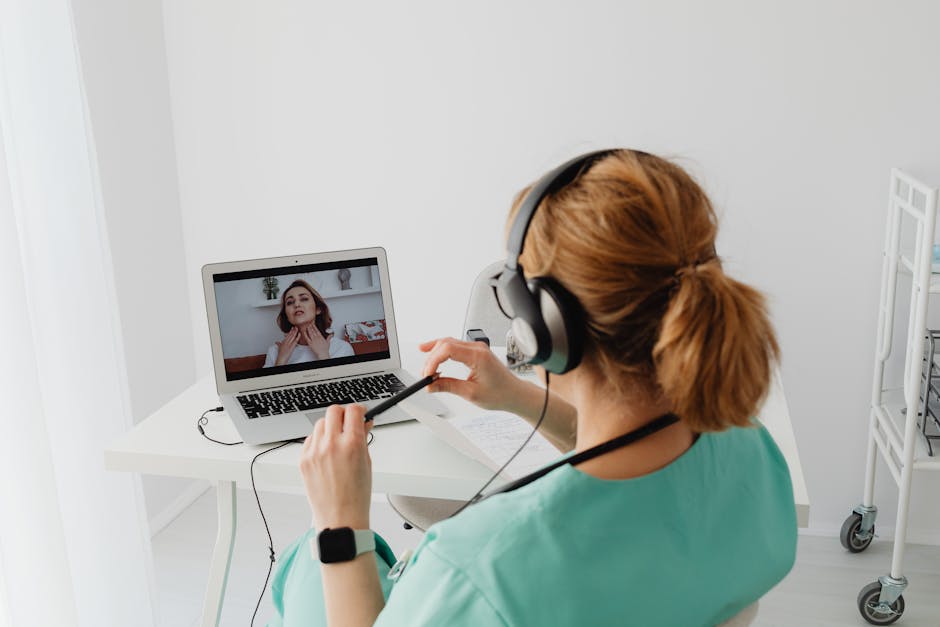
It works like booking a regular appointment, minus the waiting room. You create an account, fill out a health history, and pick a time. Most platforms, Zealthy included, get you on the schedule within a few days rather than a few weeks. A licensed provider reviews your history, talks through symptoms or goals over video or phone, and builds a plan during the visit.
Maria's took about twenty-five minutes. Her provider went through her prior labs, which she'd had emailed over from her old clinic, nudged her thyroid dose, and set up home blood pressure monitoring with a six-week follow-up. The prescription hit a pharmacy near her within the hour.
Pro tip: have your last labs or a medication list open before the call. A photo of your pill bottles lined up on the counter works fine. It turns a ten-minute history interrogation into two minutes and buys you eight more with the provider for the thing you actually called about.
Is virtual primary care cheaper than an in-person visit?
Usually, yes, and the gap is widest if you're paying cash. Catching a problem early beats treating it in an ER, and a skipped refill has a way of turning into a $150 urgent care trip for something that a $20 prescription would have prevented.
Here's the arithmetic, using Maria's Tucson numbers as an illustrative scenario. The formula is simple: visit fee plus any add-on fees, minus the same total for the other option.
- In-person, cash pay: $220 new-patient visit + $45 lab draw fee = $265, available in five weeks.
- Virtual visit: $89 flat fee, available in two days, prescription sent the same afternoon.
$265 − $89 = $176 saved on the first visit alone. That's before the gas, the parking, and the half workday she'd have burned driving across town and sitting in a lobby. Price your own time at $25/hour and a two-hour round trip adds another $50 to the in-person column, pushing the real difference past $225.
Run it with your own numbers. Call the clinic, ask for the self-pay new-patient rate and whether a lab draw is billed separately, then compare it to the flat fee of whatever virtual option you're considering.
The ranges below are what I see quoted most often, not survey data — treat them as a starting point for your own phone calls.
| Cost factor | Traditional in-person primary care | Virtual primary care |
|---|---|---|
| New-patient visit, no insurance | Commonly $150–$300 before labs | Commonly $50–$100 flat |
| Routine follow-up copay, insured | Your standard office copay | Usually the same copay |
| Time to first appointment | Two to six weeks in most markets | One to three days |
| Prescription refills | Phone or portal request, pharmacy pickup | Auto-refill, shipped to you |
| Travel and time cost | One to two hours round trip plus waiting | Zero |
| Best for | Hands-on exams, imaging, procedures | Chronic management, refills, mental health |
Rule of thumb: if the nearest opening is more than two weeks out, or you're paying cash, virtual wins for anything that doesn't require someone to physically touch you or scan you.
Which health conditions can virtual primary care treat?
Most of the everyday reasons people see a primary care doctor fit comfortably into a video visit. Here's where the line sits:
- Chronic condition management: high blood pressure, high cholesterol, thyroid disorders, and type 2 diabetes monitoring, all handled with regular check-ins plus lab orders sent to a draw site near you.
- Mental health: anxiety and depression screening, medication management, and therapy referrals. Patients are often more candid from their own couch than in a paper gown.
- Weight management: GLP-1 medications like Zepbound, Wegovy, and Ozempic, prescribed and monitored alongside coaching.
- Preventive and lifestyle care: birth control starts and refills, sleep problems, PrEP for HIV prevention.
- What still needs a room: anything requiring a hands-on exam, suspected fractures, infections that need imaging, new chest pain, and most same-day injuries.
The honest edge cases are the ones where a provider needs to listen to your lungs or press on your abdomen. A video call can't do either. What it can do is get you triaged in fifteen minutes instead of after a four-hour urgent care wait.
Pro tip: not sure which bucket you're in? Book the virtual visit. A decent provider will tell you inside the first five minutes if you need to be seen in person, and you've spent twenty minutes finding out instead of five weeks.
Does insurance cover a virtual primary care visit?
In my experience, most major insurers cover telehealth primary care at the same copay as an office visit, but "most" is doing real work in that sentence and plans differ wildly.
Call the member services number on the back of your card and ask it this way: "Is a telehealth visit with a primary care provider, billed from my home, covered at my regular office-visit copay?" That phrasing gets you a usable answer. "Do you cover telehealth?" gets you a yes that means nothing. Two more things worth asking in the same call:
- Is behavioral health carved out? Anxiety and depression visits are frequently routed through a separate network with a separate copay, even on plans that cover everything else at parity.
- Does my high-deductible plan apply the deductible first? If you haven't hit it, you may pay the full contracted rate, which can land above a flat cash-pay telehealth fee. Compare both before assuming insurance is the cheaper path.
If you're uninsured, flat cash-pay rates are the whole point. You know the number before you book, which almost never happens at a brick-and-mortar clinic.
What happens after the visit, with prescriptions and refills?
Your prescription goes out electronically to a pharmacy, or ships to your door with auto-refills so you're not placing a request every thirty days. That second part matters more than people expect.
The "I ran out of my medication" problem is rarely the doctor's visit. It's the queue. The script gets sent, the pharmacy is short-staffed, the fill lands in a backlog, a prior authorization quietly triggers, and nobody calls to tell you. Three days vanish. If you've ever stood at a counter at 8:40 p.m. hoping the pharmacy hadn't already closed, or learned your refill was sitting behind forty others, or been told the drug was simply out of stock that week, you've lived it. Auto-refill ordering skips that bottleneck entirely, because the clock starts before you're down to your last few pills instead of after.
Two habits that prevent almost every refill emergency I've seen:
- Ask for a 90-day supply on any stable medication. Three chances a year to get stuck in a queue instead of twelve.
- Set a phone reminder at ten pills remaining, not at zero. Ten days is enough runway for a prior authorization or a shipping delay. Two days is not.
Maria's follow-up was booked automatically for six weeks out, her thyroid refill ships monthly, and she hasn't been in a waiting room since the move.
Your next step
If you're looking at a thin medication supply and a five-week wait for a new doctor, don't let the gap compound. Make an account, answer the health history questions honestly and in full, including the medications you stopped taking, and book the earliest slot. Most people are on a call with a licensed provider inside a couple of days.
Start on Zealthy's home page, look at condition-specific options like ED treatment, or read the FAQs first if you want details before committing. If your needs sit outside what a given platform handles, shopping around is reasonable.
Frequently asked questions
Can a virtual primary care provider order lab work?
Yes. Your provider sends an order to a local draw site such as Quest or LabCorp, you walk in, and results come back to your chart for review on a follow-up call. You never return to the original clinic.
How often do I need to see my primary care provider virtually?
Stable chronic conditions typically run every three to six months. New medications or dose changes usually mean a follow-up in two to six weeks until things settle. Mental health management often starts at every two to four weeks and spaces out from there.
What if my condition turns out to need in-person care?
A good virtual provider says so directly and refers you to urgent care, an ER, or a local specialist. Catching that early is part of the job, not a failure of the visit. You can read more about how online prescription services actually work and where that handoff usually happens.


.svg)
.svg)
.svg)
.svg)

