Bupropion alone tends to produce modest weight loss, typically a few pounds over several months. The FDA-approved combination of naltrexone and bupropion, sold as Contrave, produces substantially larger and more clinically meaningful results, especially when paired with a reduced-calorie diet and regular activity. Many patients on the combination lose at least 5% of their body weight, compared to a smaller proportion on placebo. Seizure history, active eating disorders, and uncontrolled blood pressure are hard stops. Talk to a clinician before starting either approach.
TL;DR:
- Bupropion alone offers only modest weight loss, averaging around 3 to 4 kilograms, and is primarily prescribed for depression or smoking cessation, not weight management.
- The combination of naltrexone and bupropion, sold as Contrave, significantly improves results, with about 50% of patients losing at least 5% of their body weight after 56 weeks.
- Clinical success depends on strict adherence to the 12 to 16-week evaluation window, with discontinuation advised if at least 5% weight loss is not achieved by then.
- Patients must meet specific health criteria, such as no seizure history or uncontrolled blood pressure, and should undergo regular blood pressure and weight monitoring during treatment.
- Structured lifestyle changes paired with medication are essential, as neither drug alone produces sustained weight loss without diet and activity modifications.
Table of Contents
- How Bupropion and Naltrexone Work Together for Weight Loss
- What the Clinical Trials Actually Found
- How Bupropion and NB-ER Are Prescribed and Dosed
- Side Effects, Contraindications, and What Gets Monitored
- Preparing for a Visit About Bupropion or NB-ER
- How Zealthy Evaluates Patients for NB-ER or Bupropion
- Where the Conventional Advice on Bupropion Falls Short
- Starting a Weight-Loss Evaluation With Zealthy
- Primary Sources Worth Reading Directly
- Sources
- FAQ
How Bupropion and Naltrexone Work Together for Weight Loss
Bupropion belongs to a drug class called norepinephrine-dopamine reuptake inhibitors, or NDRIs. It was originally developed and approved as an antidepressant, and most people still know it by its depression and smoking-cessation brand names. Its effect on appetite comes from a specific action in the hypothalamus: bupropion stimulates a group of neurons called POMC neurons, which play a central role in signaling satiety to the brain.
Here’s the catch that explains why bupropion alone underperforms. When POMC neurons fire, they release a hormone that suppresses appetite, but they simultaneously trigger their own natural brake through opioid receptor feedback. The body essentially cancels out part of the effect after a short period, which is why bupropion monotherapy tends to plateau early and deliver relatively modest results.
Naltrexone changes that equation. It’s an opioid receptor antagonist, meaning it blocks the exact feedback loop that limits bupropion’s effect on POMC neurons. Combined, the two drugs sustain appetite suppression longer than bupropion can manage on its own. That pharmacological pairing is why naltrexone HCl/bupropion HCl was developed specifically as a chronic weight management therapy rather than repurposed from another indication.
The FDA-approved version, Contrave, uses a fixed-dose extended-release formulation: each tablet contains 8 mg of naltrexone and 90 mg of bupropion. That specific ratio and release profile were tested extensively in Phase 3 trials, which is part of why the combination carries an obesity indication that bupropion by itself does not.
A few distinctions matter for anyone weighing bupropion for weight loss against the combination:
- Bupropion alone is FDA-approved for depression and smoking cessation, not obesity. Weight loss is a documented side effect in some patients, not the drug’s intended use.
- Naltrexone-bupropion (NB-ER) is FDA-approved specifically for chronic weight management in adults meeting certain BMI criteria.
- Off-label bupropion prescribing for weight loss does happen, particularly in patients already being treated for depression who could benefit from the side effect, but it isn’t the same evidence-backed pathway as the combination therapy.
- Neither drug replaces lifestyle intervention. Every trial that produced meaningful results paired the medication with a reduced-calorie diet and structured activity goals.
This is also why clinicians rarely reach for bupropion in isolation when obesity, rather than depression, is the primary reason for the visit. The mechanism supports appetite suppression, but the feedback loop naltrexone blocks is precisely what makes the difference between a modest effect and a clinically useful one. If you’re being treated for anxiety or depression and bupropion is already part of your regimen, it’s worth discussing with your provider whether bupropion’s role in mood treatment might also be shaping your appetite, and whether that’s something to monitor rather than something to chase for weight loss specifically.
What the Clinical Trials Actually Found
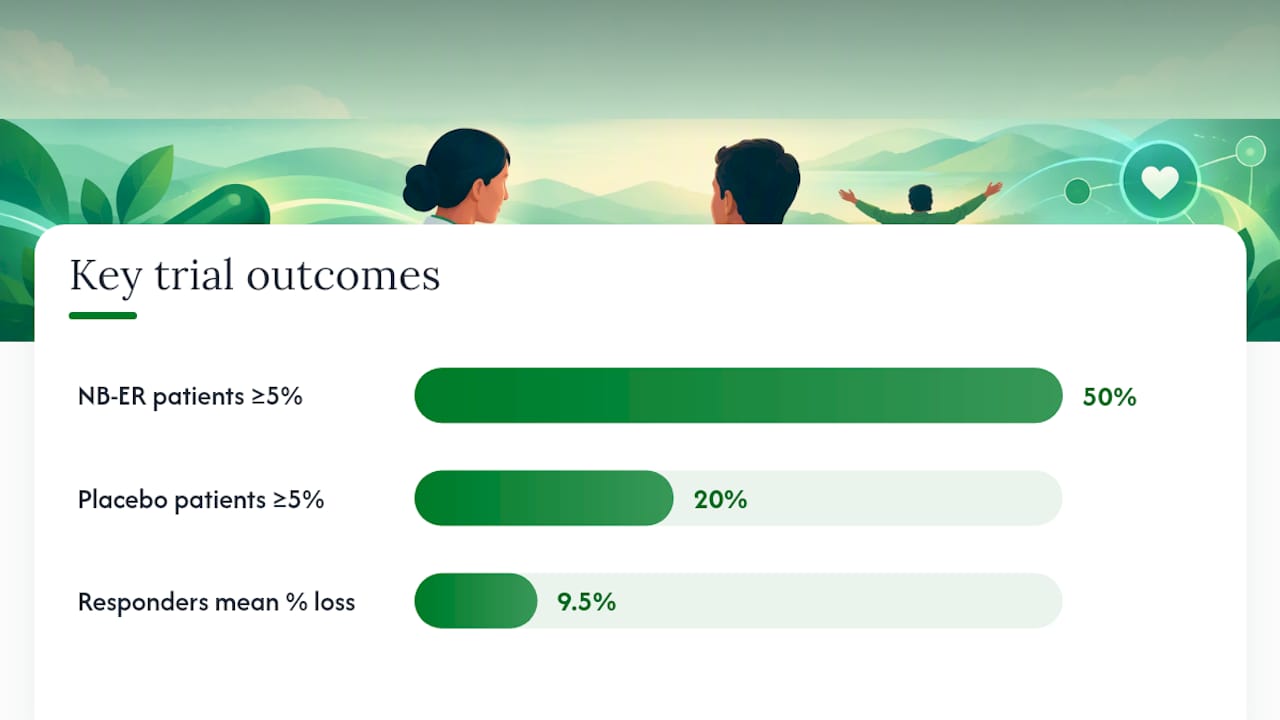
The number that matters most: patients on naltrexone-bupropion are roughly twice as likely to achieve clinically meaningful weight loss as patients on placebo. A pooled analysis of the drug’s efficacy trials found a risk ratio of approximately 2.1 for reaching at least 5% weight loss, meaning about half of treated patients hit that threshold compared to roughly one in five on placebo.
The Phase 3 COR (Contrave Obesity Research) trial program, which formed the basis for FDA approval, tracked patients over 56 weeks. Responders on NB-ER lost meaningfully more weight than the placebo group when the medication was combined with lifestyle counseling. A separate open-label effectiveness study that paired the combination with comprehensive lifestyle intervention found responders reached around a 9.5% weight reduction at 26 weeks, and those results held up for patients who stayed on treatment through 78 weeks. That’s a meaningful data point for anyone wondering whether results fade over time. They don’t, provided the medication and the behavioral program both continue.
By the numbers: Roughly 50% of patients on naltrexone-bupropion reach ≥5% weight loss, versus about 20% on placebo, a risk ratio near 2.1. A 2024 systematic review pooled results across bupropion trials and found a weighted mean difference of about -3.67 kg for weight and -2.98 cm for waist circumference versus control, with combination therapy consistently outperforming bupropion alone.
That systematic review is worth sitting with for a moment, because it directly answers the question of whether bupropion alone helps with weight loss at all. It does, modestly. The weighted mean difference across pooled trials was about 3.67 kg lost compared to control, a real but limited effect. When naltrexone was added, the effect size grew. The review’s authors flagged real heterogeneity across the included trials, meaning study populations, doses, and durations varied enough that the pooled number should be read as a directional signal rather than a precise prediction for any one patient.
What does “clinically significant” weight loss actually mean in this context? It’s not an arbitrary marketing term. Researchers and regulators generally define it as at least 5% of starting body weight, because that threshold is where measurable improvements in blood pressure, blood sugar, and cardiovascular risk markers tend to show up. A 200-pound person hitting that mark loses 10 pounds, which sounds modest until you consider it’s tied to actual metabolic changes, not just a smaller number on the scale.
Timeline expectations matter as much as the headline numbers. Evidence-based prescribing follows a specific evaluation window:
- Most patients reach the full maintenance dose by around week 4 of titration.
- Meaningful response is assessed at the 12 to 16 week mark on maintenance dosing, not sooner.
- Patients who haven’t reached 5% weight loss by that checkpoint are unlikely to see it later, which is why the FDA label recommends discontinuation rather than extending the trial indefinitely.
- Responders who continue treatment alongside lifestyle support tend to maintain their losses well beyond a year.
That early-stopping rule is one of the more underappreciated parts of this treatment category. It protects patients from staying on a medication that isn’t working for them while giving genuine responders a clear runway to keep going.
How Bupropion and NB-ER Are Prescribed and Dosed
Naltrexone-bupropion carries a specific FDA indication: adults with a BMI of 30 kg/m² or greater, or 27 kg/m² or greater with at least one weight-related condition such as type 2 diabetes, high blood pressure, or high cholesterol. It’s approved strictly as an adjunct to a reduced-calorie diet and increased physical activity, not as a standalone fix.
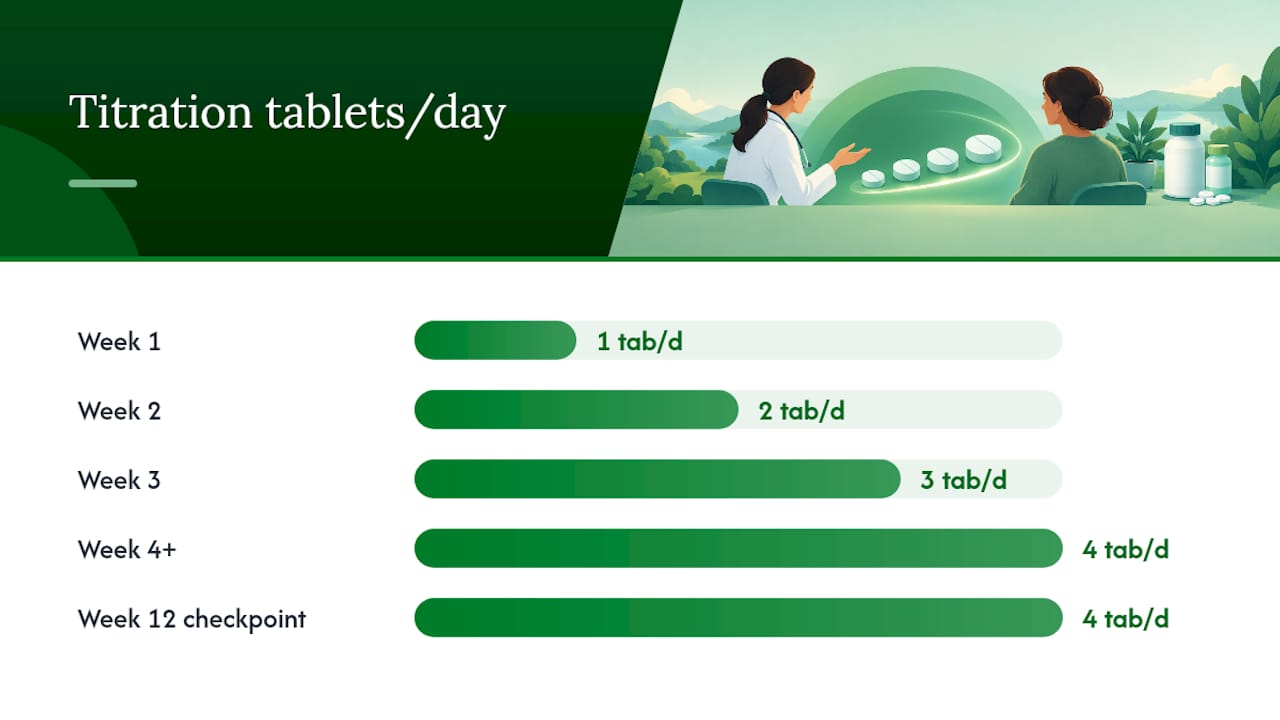
Dosing follows a structured titration schedule designed to minimize nausea and other early side effects:
- Week 1: One tablet in the morning (8 mg naltrexone/90 mg bupropion).
- Week 2: One tablet morning and evening.
- Week 3: Two tablets in the morning, one in the evening.
- Week 4 and beyond: Two tablets morning and evening, reaching the full maintenance dose of 32 mg naltrexone/360 mg bupropion daily.
Tablets should be taken with food, but patients are specifically instructed to avoid high-fat meals around dosing, since fatty meals can significantly increase absorption and raise the risk of side effects, including seizure risk at the upper end.
Pro Tip: Set a recurring reminder for your week-12 checkpoint before you even start titration. That’s the date your prescriber will use to decide whether to continue, adjust, or stop, and walking in with your own weight log makes that conversation faster and more useful.
Evaluation checkpoints aren’t optional extras. The label calls for assessing response after 12 to 16 weeks at the maintenance dose.
A few dosing adjustments matter for specific patients. Anyone with moderate to severe kidney impairment needs a reduced dose and closer monitoring, since both naltrexone and bupropion metabolites are cleared renally. And because naltrexone blocks opioid receptors, patients need to stop the medication several weeks before any planned surgery that might require opioid pain management, since the blockade can interfere with anesthesia and post-operative analgesia. Anyone using opioid pain medication for a chronic condition should flag that before starting NB-ER at all.
Side Effects, Contraindications, and What Gets Monitored
Nausea is the most common side effect, affecting a substantial proportion of patients in some trials, and it typically shows up during the first two weeks of titration before easing as the body adjusts. Constipation, headache, dizziness, insomnia, and dry mouth round out the list of common adverse reactions reported across clinical trials.
Discontinuation due to side effects ranged from roughly 9% to 23% across trial populations, compared to about 12% among patients on placebo. Nausea alone accounted for a meaningful share of early dropouts.
That range matters because it tells you the medication isn’t universally well tolerated, and a portion of patients stop before reaching a dose where they’d see benefit. If nausea or dizziness hits hard in the first week, it’s worth calling your prescriber rather than quietly discontinuing, since slower titration sometimes solves the problem without abandoning treatment altogether.
Contraindications for bupropion, with or without naltrexone, are serious and non-negotiable:
- Seizure disorder or history of seizures. Bupropion lowers the seizure threshold, and this risk rises with dose and with any condition or medication that also affects seizure threshold.
- Current or past diagnosis of bulimia or anorexia nervosa. Eating disorders significantly raise seizure risk on bupropion and are an absolute contraindication.
- Abrupt discontinuation of alcohol, benzodiazepines, barbiturates, or antiepileptic drugs. Withdrawal from any of these substances raises seizure risk sharply when combined with bupropion.
- Use of opioids or chronic opioid therapy, because naltrexone will trigger withdrawal and block pain relief.
- Uncontrolled hypertension, since both drugs can raise blood pressure and heart rate independently.
- Pregnancy. NB-ER is not recommended during pregnancy, and patients trying to conceive should discuss alternatives with their provider.
Blood pressure and heart rate monitoring is not a formality here. Increases in both are a documented early signal, and most prescribers check vitals before starting treatment, again during titration, and periodically through the maintenance phase. Patients with type 2 diabetes need additional attention, since appetite and eating pattern changes can affect blood sugar control and may require insulin or medication adjustments alongside the weight-loss regimen. Anyone managing bupropion side effects more broadly, including the cardiovascular signals, can find more detail in Zealthy’s guide to bupropion side effects and red flags worth calling a provider about.
Preparing for a Visit About Bupropion or NB-ER
Walking into a weight-management consultation prepared saves time and gets you a faster, more accurate assessment of whether this medication category fits your situation.
- List every current medication and supplement, including anything for mood, anxiety, seizures, or pain, since interaction risk is the first thing a prescriber screens for.
- Note any personal or family history of seizures or eating disorders. These are absolute contraindications, and honest disclosure here protects you.
- Bring your recent blood pressure readings if you have them, or expect your provider to take a baseline reading at the visit.
- Mention your weight history and prior attempts, including any medications, programs, or surgeries you’ve tried, so the plan accounts for what has and hasn’t worked.
- Clarify your pregnancy status or plans, since this changes the medication conversation entirely.
Expect baseline testing to include blood pressure and pulse at minimum. If you have diabetes or risk factors for it, an A1C or fasting glucose check is standard practice. A pregnancy test may be required before starting, depending on your situation.
Pro Tip: Keep a simple weight log from day one, weekly is enough. It’s the single most useful piece of information you can bring to your 12-week checkpoint, and it turns a vague “I think it’s working” into a concrete data point your prescriber can act on.
Follow-up typically means a vitals check within the first few weeks, then again at the evaluation checkpoint. Side effects like nausea are usually managed by slowing the titration schedule rather than stopping outright, though persistent dizziness, mood changes, or blood pressure spikes warrant a same-day conversation with your provider, and in some cases, in-person evaluation.
How Zealthy Evaluates Patients for NB-ER or Bupropion
Prescribing a medication with real contraindications requires more than a quick questionnaire, which is exactly why the intake process matters. Zealthy’s licensed clinicians screen for seizure history, current or past eating disorders, and baseline cardiovascular risk before anyone starts naltrexone-bupropion or bupropion alone. That intake mirrors the standardized approach used across bupropion prescribing generally: structured history, contraindication screening, and confirmed baseline vitals before the first prescription goes out.
Same-day virtual visits mean patients don’t wait weeks for an initial consult, but the clinical bar for prescribing doesn’t drop just because the visit happens on a screen. Follow-up vitals checks, symptom monitoring, and a clear 12 to 16 week evaluation window are built into the process the same way they would be in any in-person practice.
Prescription delivery removes the extra friction of a pharmacy trip, and scheduled follow-ups keep the seizure-risk and blood-pressure monitoring on track rather than left to chance. That said, certain situations always route to in-person care: uncontrolled hypertension, any indication of an eating disorder, or symptoms suggesting a seizure risk that needs immediate, hands-on evaluation rather than a telehealth message thread.
Where the Conventional Advice on Bupropion Falls Short
Most of what circulates online about bupropion for weight loss treats it as an interchangeable option among casual appetite suppressants. That framing misses the actual pharmacology. Bupropion alone produces a real but limited effect because the POMC feedback loop it activates cancels itself out over time. The evidence doesn’t support chasing meaningful weight loss with bupropion in isolation. It supports the combination, specifically because naltrexone solves the exact mechanical problem bupropion can’t solve on its own.
The bigger failure in typical advice is glossing over the 12 to 16 week evaluation window. Too many people either quit at four weeks because they don’t see the scale move fast enough, or stay on a medication for a year past the point where the data says it’s working. Both mistakes come from not knowing the checkpoint exists.
If you take one thing from the research, it’s this: this medication category was never designed to work in a vacuum. Every trial that produced strong results paired the drug with a structured lifestyle intervention, not a vague suggestion to eat less. Bupropion or NB-ER without that structure is leaving most of the benefit on the table.
— Bryan
Starting a Weight-Loss Evaluation With Zealthy
If you’re weighing bupropion or the naltrexone-bupropion combination against other prescription options, the fastest path to a real answer is a licensed clinical evaluation, not another week of research. Zealthy offers same-day consultations with licensed providers who screen for the exact contraindications covered above and build a personalized care plan around your health history, not a generic protocol.

Getting started means booking a visit through the Zealthy weight-loss page, where a clinician reviews your BMI, medical history, and current medications before recommending a path forward. If NB-ER or bupropion is appropriate, prescriptions ship directly to you, and follow-up visits are scheduled to track vitals and progress against the 12 to 16 week benchmark. If you have a seizure history, an active eating disorder, uncontrolled blood pressure, or you’re pregnant, expect a direct referral to in-person care instead of a prescription. That boundary exists for your safety, and a responsible telehealth visit will tell you plainly when it applies.
Primary Sources Worth Reading Directly
For anyone who wants to verify the clinical details rather than take a summary at face value, these are the primary documents behind this guide:
- The Contrave FDA prescribing information lays out the official dosing schedule, contraindications, and evaluation timeline directly from the regulator.
- DailyMed’s consumer summary condenses the label into plain-language warnings and monitoring guidance.
- The 2024 systematic review and meta-regression on bupropion and naltrexone-bupropion provides the pooled efficacy numbers cited throughout this article.
- A PMC clinical review on appropriate NB-ER use in primary care settings explains patient selection and real-world prescribing considerations.
This article is general information, not a substitute for advice from a qualified doctor. Consult a qualified healthcare professional about your own circumstances before acting on anything here.
Sources
- CONTRAVE prescribing information (FDA label)
- The effects of bupropion alone and combined with naltrexone on weight loss: a systematic review and meta-regression analysis of randomized controlled trials - PMC
- Appropriate use of the fixed-dose, extended-release combination of naltrexone and bupropion as treatment for obesity in primary care - PMC
- DailyMed - CONTRAVE EXTENDED-RELEASE- naltrexone hydrochloride and bupropion hydrochloride tablet, extended release
FAQ
How much weight can I lose taking bupropion?
Bupropion alone typically produces modest weight loss, around 3 to 4 kg on average compared to placebo across pooled trial data. The naltrexone-bupropion combination produces larger results, with about half of patients reaching at least 5% of their starting body weight by 56 weeks.
How long does it take for bupropion to work for weight loss?
Most patients reach full maintenance dosing by around week 4 of titration, but meaningful weight-loss response isn’t assessed until 12 to 16 weeks at that maintenance dose.
How is bupropion used for weight loss, alone or combined with naltrexone?
Bupropion alone is prescribed off-label for weight loss, usually in patients already being treated for depression who experience appetite suppression as a side effect. The FDA-approved route for chronic weight management is the fixed-dose naltrexone-bupropion combination, taken on a structured titration schedule alongside a reduced-calorie diet and increased activity.
Is bupropion a good drug for weight loss?
Bupropion alone is not FDA-approved for weight loss and produces only modest results on its own. The naltrexone-bupropion combination is FDA-approved specifically for chronic weight management and produces meaningfully larger results, making it the better-supported option when weight loss is the primary treatment goal.
Can Zealthy prescribe bupropion or naltrexone-bupropion for weight loss?
Licensed clinicians evaluate patients for both bupropion and naltrexone-bupropion through same-day virtual visits, screening for contraindications like seizure history and eating disorders before prescribing. Current pricing and next steps are available on the Zealthy weight-loss page.


.svg)
.svg)
.svg)
.svg)

