

Semaglutide has become a widely discussed medication for managing type 2 diabetes and promoting weight loss. Its ability to regulate blood sugar levels and suppress appetite has made it a popular choice for many looking to improve metabolic health. However, a common question among users is: does semaglutide make you tired? Understanding how this medication interacts with your body, its potential side effects, and how to manage them is essential for anyone starting semaglutide. At Zealthy, we aim to provide clear, practical information to help users make informed decisions about their health.
Semaglutide works as a glucagon-like peptide-1 (GLP-1) receptor agonist, a class of drugs that mimics natural hormones in the body to regulate insulin secretion and glucose control. By slowing gastric emptying and promoting satiety, semaglutide helps reduce appetite, which supports both blood sugar management and gradual weight loss. While its benefits are well-documented, side effects such as nausea, headaches, and gastrointestinal discomfort can occur, and some users report mild fatigue during the initial adjustment period. Understanding why this happens can make a significant difference in how you experience semaglutide.

Why Semaglutide May Cause Fatigue
Fatigue from semaglutide can stem from several interconnected factors. Blood sugar fluctuations are a primary cause, as semaglutide affects insulin production and glucose levels. Some users may experience temporary energy dips while their body adapts to more stable blood sugar patterns. Gastrointestinal side effects, such as nausea and reduced appetite, can further contribute to tiredness by limiting nutrient intake and reducing energy availability. Additionally, mild dehydration caused by reduced fluid intake due to gastrointestinal discomfort can amplify feelings of fatigue. Zealthy advises users to monitor these aspects carefully and adopt strategies that support energy levels during the adjustment period.
Another important consideration is the adjustment period itself. Semaglutide often requires gradual dose escalation to minimize side effects. Users may feel tired as their body accommodates the medication, but this typically improves once the dosage is stabilized. Real-world experiences show that this initial fatigue is usually temporary. For instance, individuals using semaglutide under the guidance of healthcare professionals often report noticeable improvements in energy and focus after the first month, particularly as appetite and blood sugar levels stabilize. Zealthy provides guidance to help users navigate this transition period effectively.
Managing Fatigue While Using Semaglutide
Managing fatigue from semaglutide involves practical lifestyle adjustments. Maintaining proper hydration is essential, as water intake supports energy metabolism and helps reduce symptoms like dizziness and mild nausea. Eating smaller, balanced meals can prevent energy dips and provide steady fuel throughout the day. Focus on including protein, fiber, and healthy fats, which help maintain satiety and support sustained energy levels even when appetite is reduced due to semaglutide. Zealthy encourages users to track their eating patterns to ensure they are meeting their nutritional needs while adjusting to the medication.
Regular monitoring of blood sugar levels is also crucial for those using semaglutide to manage type 2 diabetes. Fatigue may be a signal of low or high glucose, and tracking these levels can help distinguish between medication-related tiredness and fluctuations in blood sugar. Gradual physical activity, such as walking or light resistance exercises, can also counteract fatigue by improving circulation, supporting metabolism, and enhancing overall energy. At Zealthy, we highlight that combining proper diet, hydration, and gentle activity often leads to noticeable improvements in energy levels over time.
Sleep quality is another key factor. Adequate rest allows the body to recover and adapt to new metabolic changes. Users experiencing tiredness may benefit from improving sleep routines, including consistent bedtimes, limiting screen exposure before bed, and creating a restful sleep environment. By addressing lifestyle factors alongside medication use, users can reduce fatigue and optimize the benefits of semaglutide. Zealthy emphasizes the importance of a holistic approach for managing side effects and supporting overall wellness.
When to Consult a Healthcare Provider
Although mild fatigue can be normal, it is important to recognize when professional guidance is necessary. Persistent or worsening tiredness, dizziness, fainting, severe nausea, or any other new symptoms should be evaluated promptly. A healthcare provider can determine whether fatigue is a temporary side effect of semaglutide or indicative of another underlying condition. Zealthy advises users not to make dose adjustments independently but to consult professionals for safe and effective management. In some cases, healthcare providers may recommend dose modifications, dietary adjustments, or additional interventions to maintain energy levels without compromising treatment outcomes.
Benefits of Semaglutide Despite Temporary Fatigue
Even with the possibility of mild fatigue, semaglutide provides significant benefits for metabolic health and weight management. Improved blood sugar control reduces the risk of diabetes-related complications, while appetite suppression supports gradual and sustainable weight loss. Many users find that temporary tiredness is outweighed by long-term health improvements. Zealthy underscores that understanding and anticipating initial side effects, including fatigue, allows users to remain consistent with treatment and achieve the full benefits of semaglutide.
By following structured guidance on hydration, nutrition, sleep, and activity, users can navigate early challenges and experience the positive effects of semaglutide on energy levels, weight management, and overall health. Zealthy’s resources emphasize actionable strategies that support adaptation to the medication, allowing users to integrate semaglutide into their lifestyle with minimal disruption.
Practical Tips for a Smooth Semaglutide Experience
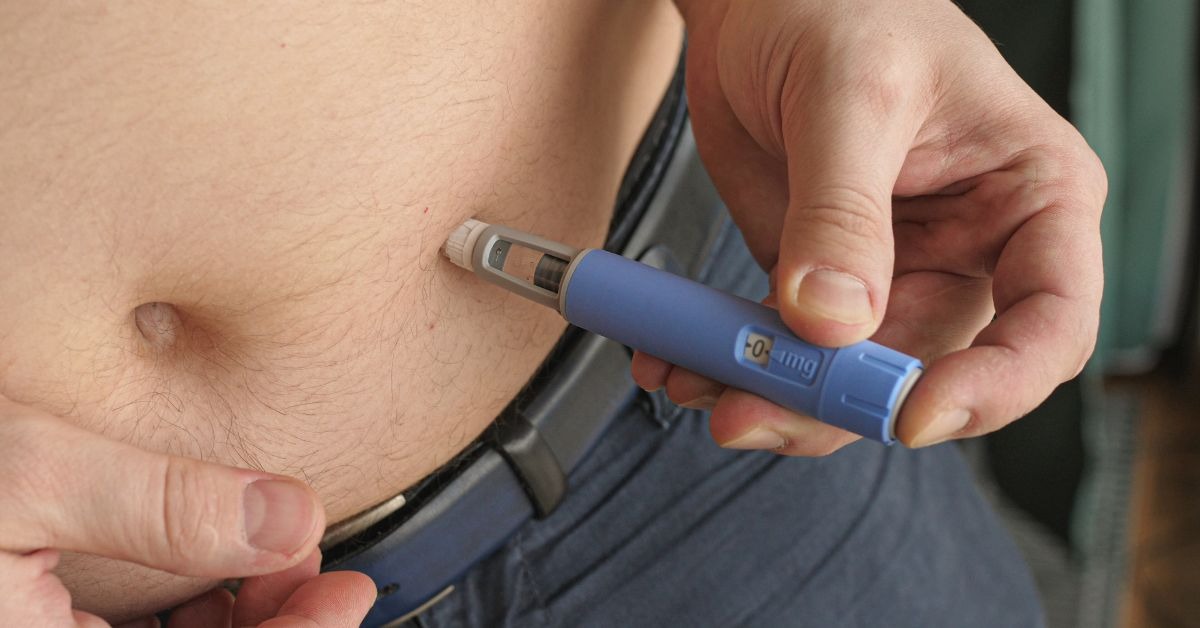
Starting semaglutide can be a significant adjustment, but planning and monitoring can improve outcomes. Begin with a low dose and gradually increase according to professional guidance, ensuring the body adapts without severe side effects. Maintain adequate hydration, focus on balanced meals with sufficient protein and fiber, and engage in moderate daily activity to counteract fatigue. Monitor blood sugar levels closely for those managing type 2 diabetes, and ensure sufficient sleep each night. Zealthy encourages users to track progress and communicate openly with healthcare providers, allowing for adjustments that optimize energy, comfort, and treatment effectiveness.
Conclusion
So, does semaglutide make you tired? The answer is nuanced. While fatigue is not the most common side effect, some users experience tiredness during the initial weeks as the body adjusts to changes in blood sugar, appetite, and digestion. In most cases, fatigue is temporary and can be managed with proper hydration, balanced nutrition, moderate activity, and sleep. Zealthy emphasizes that understanding these factors, tracking your health, and following professional guidance allows users to navigate semaglutide side effects effectively. Ultimately, the long-term benefits of better glucose control, weight management, and improved metabolic health outweigh temporary fatigue, enabling users to experience meaningful health improvements safely and sustainably.
FAQs
1. How long does fatigue from semaglutide last?
Fatigue is usually temporary and occurs mainly during the first few weeks. Most users report improvement after two to four weeks as their body adjusts to the medication.
2. Can semaglutide cause severe tiredness?
Severe fatigue is uncommon. Persistent or worsening tiredness should be evaluated by a healthcare provider to rule out underlying conditions or dosage issues.
3. Is tiredness from semaglutide related to blood sugar levels?
Yes. Changes in glucose levels, particularly during the adjustment period, can lead to temporary dips in energy until blood sugar stabilizes.
4. What lifestyle changes can help reduce fatigue from semaglutide?
Maintaining hydration, eating balanced meals, engaging in light activity, and prioritizing sleep can help counteract fatigue and support energy levels.
5. Should I stop taking semaglutide if I feel tired?
Do not stop medication without consulting your healthcare provider. Fatigue is often temporary, and professional guidance can help adjust the dose or recommend strategies to manage tiredness safely.




.svg)
.svg)
.svg)
.svg)

