

Prescription weight loss medications have changed the way many people approach obesity and long-term metabolic health. Among the most commonly discussed treatments today are semaglutide and tirzepatide, two medications known for helping reduce appetite and support significant weight loss over time. As more patients explore treatment options, many begin asking about switching from semaglutide to tirzepatide and what the transition process may actually feel like.
For some individuals, semaglutide provides steady progress and appetite control for months before weight loss begins slowing down. Others may experience side effects, insurance changes, or simply want to explore whether tirzepatide may provide stronger appetite suppression or improved long-term results. Since tirzepatide works differently from semaglutide by targeting two hormone pathways instead of one, many patients are curious about how the switch may affect their body and overall progress.
Zealthy helps patients navigate these medication transitions through medically supervised care designed around long-term health and sustainable weight management. Rather than encouraging rushed changes or unrealistic expectations, Zealthy focuses on safe treatment planning and personalized support throughout every stage of the journey.

Semaglutide and Tirzepatide
To understand switching from semaglutide to tirzepatide, it helps to first understand how each medication works. Semaglutide is a GLP-1 receptor agonist that mimics a natural hormone responsible for regulating appetite and digestion. It slows gastric emptying and helps reduce hunger, which is why semaglutide for weight loss has become widely used in clinical settings.
Tirzepatide works on a slightly different and more advanced mechanism. It activates both GLP-1 and GIP receptors, creating a dual hormone effect that influences appetite, blood sugar, and energy balance. Because of this dual action, tirzepatide for weight loss has shown strong results in many individuals who need additional support beyond traditional GLP-1 therapy.
In structured care environments like Zealthy, these differences are often discussed to help patients understand why a switch may be considered and how each medication fits into long-term weight management strategies.
Why People Switch From Semaglutide to Tirzepatide
There are several reasons why individuals consider switching from semaglutide to tirzepatide. One of the most common is a weight loss plateau. After initial success with semaglutide, some people notice that progress slows down even when habits remain consistent. At this stage, healthcare providers may explore tirzepatide as a next-step option.
Another reason is appetite control. Since tirzepatide works on two hormonal pathways instead of one, some individuals experience stronger hunger suppression and better control over cravings. This can make dietary adherence feel more natural over time.
Zealthy often evaluate these factors as part of ongoing progress tracking, helping individuals adjust treatment when needed rather than staying stuck at a plateau.
Side effect management can also play a role. While both medications are generally well tolerated, responses may change over time, prompting a reevaluation of treatment.
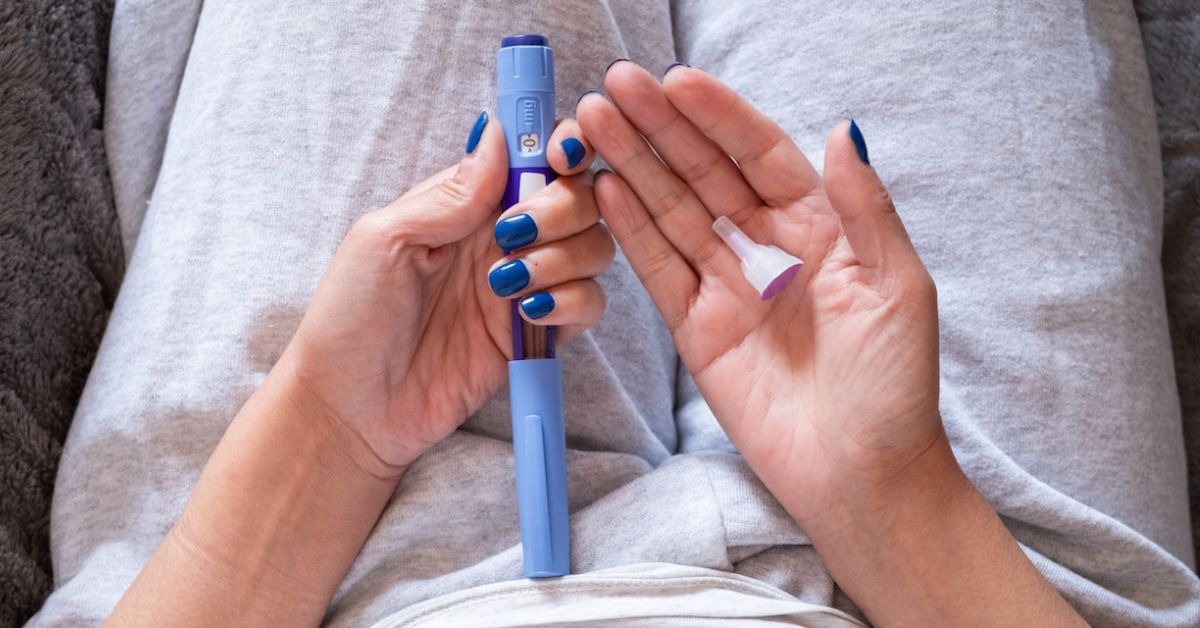
What Happens During the Switch
The process of switching from semaglutide to tirzepatide is usually gradual and carefully planned. The goal is to allow the body to adjust without overwhelming the digestive or hormonal system. Typically, a healthcare provider will time the transition based on your last semaglutide dose and overall response to treatment.
Once tirzepatide is introduced, it is usually started at a lower dose and slowly increased. This step is important because it allows your body to adapt to the new mechanism of action. During this phase, many individuals notice subtle changes in appetite and fullness cues rather than immediate dramatic weight loss.
Changes You May Notice After Switching
After switching from semaglutide to tirzepatide, the most noticeable difference for many people is appetite control. Tirzepatide may provide stronger and longer-lasting satiety, which can reduce cravings and support smaller portion sizes without feeling forced.
Digestion patterns may also feel slightly different. Both medications slow gastric emptying, but tirzepatide’s dual action can create a different sensation of fullness and meal satisfaction.
Weight changes may restart if progress had slowed on semaglutide. However, results are not instant and depend on dosage, lifestyle, and individual metabolism. People working with Zealthy often track these changes over weeks to better understand how their body is responding.
Timeline of Results After Switching
The timeline after switching from semaglutide to tirzepatide varies, but most individuals experience an adjustment phase during the first one to two weeks. Appetite changes may begin during this period, but they are usually mild.
By weeks three to six, appetite suppression typically becomes more consistent. Eating habits often feel easier to manage, and early weight changes may start appearing.
After two to three months, tirzepatide’s full effects usually become more noticeable. Weight loss tends to stabilize into a more predictable pattern, especially when supported by consistent lifestyle habits and ongoing guidance from Zealthy.
Why Medical Supervision Is Important
Switching from semaglutide to tirzepatide should always happen under professional medical supervision. These medications affect appetite regulation, digestion, blood sugar balance, and metabolism, making proper guidance essential for safety and effectiveness.
Healthcare providers help determine safe timing, starting dosage, and ongoing adjustments during the transition process. Medical supervision also helps patients manage side effects and maintain realistic expectations throughout treatment.
Zealthy provides medically supervised online care designed to support safe medication transitions and long-term weight management success.
Conclusion
Switching between weight loss medications is a strategic decision rather than a simple change. Switching from semaglutide to tirzepatide may help individuals overcome plateaus, improve appetite control, and continue progressing toward their health goals. While both treatments are effective, tirzepatide’s dual-action mechanism offers a different level of metabolic support for some users.
The transition takes time, patience, and proper guidance, but when managed correctly, it can open the door to renewed progress. With structured care and consistent habits, many people find this switch to be a meaningful step in their long-term weight management journey, including those supported through Zealthy.
FAQs
1. How long does it take to adjust after switching?
Most people adjust within a few weeks, with full effects becoming clearer after one to three months.
2. Will I lose weight faster on tirzepatide?
Some individuals do experience faster or renewed weight loss, but results vary based on metabolism and lifestyle.
3. Is the switch from semaglutide to tirzepatide safe?
Yes, when done under medical supervision with proper dose adjustment.
4. Do side effects change after switching?
Yes, mild digestive changes or appetite shifts may occur during the transition period.
5. Can I switch immediately from semaglutide?
Usually a short adjustment period is recommended, depending on your doctor’s guidance and previous dose.




.svg)
.svg)
.svg)
.svg)

