

A mobile health platform is the software, connected devices, and clinician-facing tools that work together to deliver, monitor, and manage medical care outside a hospital or office. It combines a patient-facing app, one or more remote monitoring devices, and a system clinicians use to review data and act on it.
Three groups rely on these platforms daily: patients managing chronic conditions or seeking convenient care, clinicians who need visibility into how a patient is doing between visits, and health systems trying to extend limited staff capacity. The outcomes they support are specific. Remote monitoring catches warning signs early. Secure messaging keeps a care team and patient connected without a scheduled visit. Medication reminders reduce missed doses. Same-day virtual visits handle problems that would otherwise wait weeks for an in-person slot.
Not every app that tracks steps or logs symptoms qualifies as a clinical platform, and that distinction matters more than most marketing copy admits. Here’s what separates the two:
- Wellness apps collect user-entered data for personal insight, with no clinician loop and no regulatory oversight as a medical device.
- Clinical mHealth platforms connect patient data to a licensed provider who can act on it, often with defined escalation paths and, when applicable, regulatory classification.
- Hybrid platforms (the fastest-growing category) blend consumer-friendly apps with real clinical oversight, which is where most of the evidence discussed later actually points.
The rest of this guide breaks down how these platforms are built, where the clinical evidence is solid versus thin, and what regulatory status actually tells you about a given app.
Key Takeaways
Mobile health platforms deliver their strongest clinical results when patient data reaches a licensed clinician who can act on it, not when an app is used alone.
| Point | Details |
|---|---|
| Definition matters | A true mHealth platform combines apps, devices, and clinician review; a wellness app that never reaches a provider is a different category entirely. |
| Evidence is real but modest | Behavior-change apps show measurable effects, including BMI reductions of 0.43 kg/m² in some studies, when engagement holds up. |
| Regulation signals trust | Check FDA SaMD status for any app making treatment claims, and use the FTC’s interactive tool to clarify which rules apply. |
| Integration beats isolation | Platforms tied to an actual care team consistently outperform standalone tracking tools on clinical outcomes. |
| Zealthy models the integrated approach | Zealthy pairs licensed clinicians, same-day visits, and prescription delivery into one platform built around clinical follow-through. |
What Is Mobile Health and How Did the Concept Evolve?
Mobile health, or mHealth, is medical and public health practice supported by mobile devices, according to definitions used by the World Health Organization and echoed in IEEE’s technology overviews. That definition is broad by design. It covers everything from a text message reminding a patient to take a pill to a connected glucose sensor feeding data into a hospital’s electronic health record in real time.
The category’s roots trace to the early 2000s, when basic mobile telephony made SMS-based health reminders possible in resource-limited settings. Text-message interventions for medication adherence and appointment reminders were some of the first documented mHealth programs. Smartphones changed the scale and sophistication of what was possible almost overnight. App stores opened the door to consumer-facing tools, and by the early 2010s, a genuinely enormous market had formed.
The scale today is hard to overstate. Public app stores now list more than 350,000 mHealth apps targeting chronic disease management, mental health, and physical activity. That number tells you two things: the market has matured well past novelty, and the vast majority of that inventory is unregulated consumer software rather than clinically validated platforms.
The shift from single-purpose apps to integrated platforms happened for a practical reason. A step counter alone doesn’t help a cardiologist manage a heart failure patient. A blood pressure cuff that syncs to an app but never reaches a clinician’s dashboard doesn’t change a treatment plan. Integrated platforms emerged because point solutions kept hitting the same wall: data with nowhere useful to go.
Three developments mark the field’s evolution:
- Point apps era (2008 to roughly 2014): single-function tools like calorie counters and pedometers with no clinical connection.
- Connected device era (2014 to roughly 2019): wearables and remote monitoring hardware began syncing to companion apps, adding real physiological data to the mix.
- Platform era (2019 to today): integrated systems combine apps, devices, cloud analytics, and provider access into a single workflow, often layered directly into telehealth delivery.
The core difference that matters to you as a patient or caregiver is this: a wellness app helps you observe yourself, while a clinical mHealth platform, as one retrospective analysis of the field puts it, connects mobile computing, medical sensors, and communications technology into something a care team can actually act on. If nobody licensed is looking at the data, you’re using a wellness tool, not a health platform, no matter how sophisticated the interface feels.
What Components Make Up a Mobile Health Platform?
A functioning mHealth platform is really four systems working in sequence: something that collects data, something that moves it, something that makes sense of it, and something that puts it in front of a clinician who can act. Skip any one of those and the platform stops being clinical and starts being a glorified logbook.
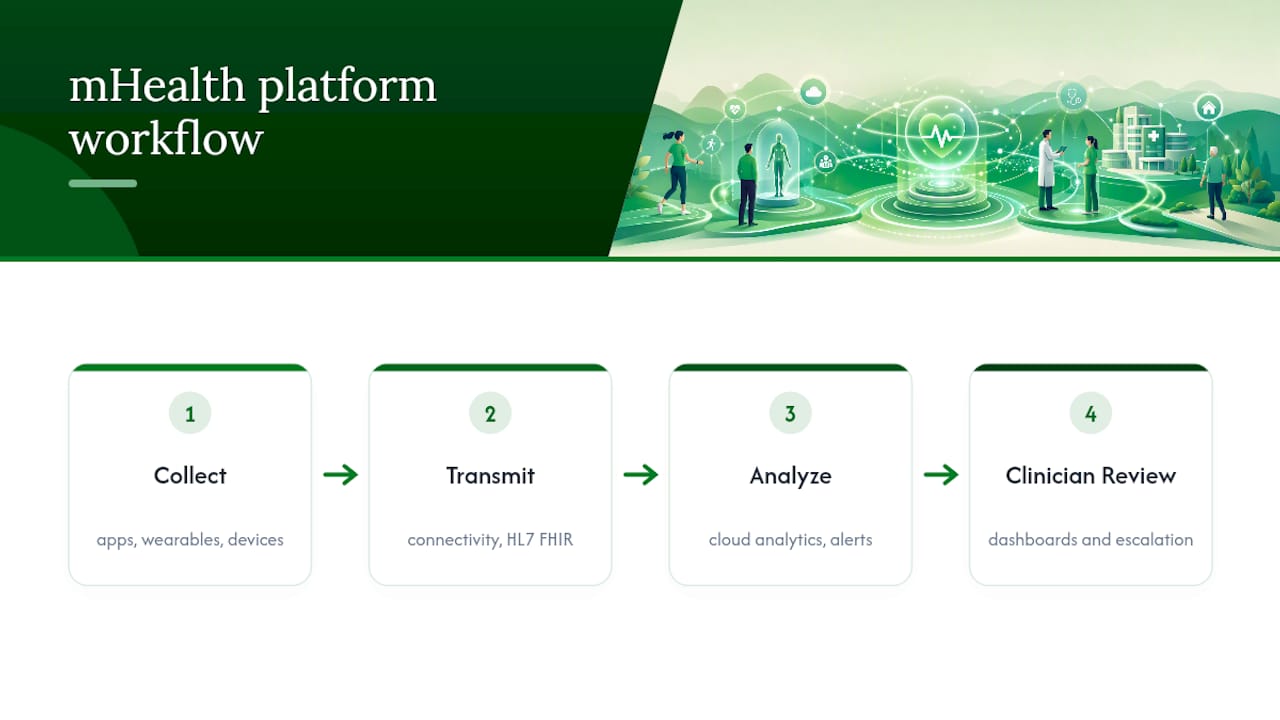
Patient-facing apps are the most visible layer. They handle appointment scheduling, secure messaging, symptom logging, medication tracking, and video visits. The best ones are simple enough that a 70-year-old managing diabetes doesn’t need a tutorial to use them.
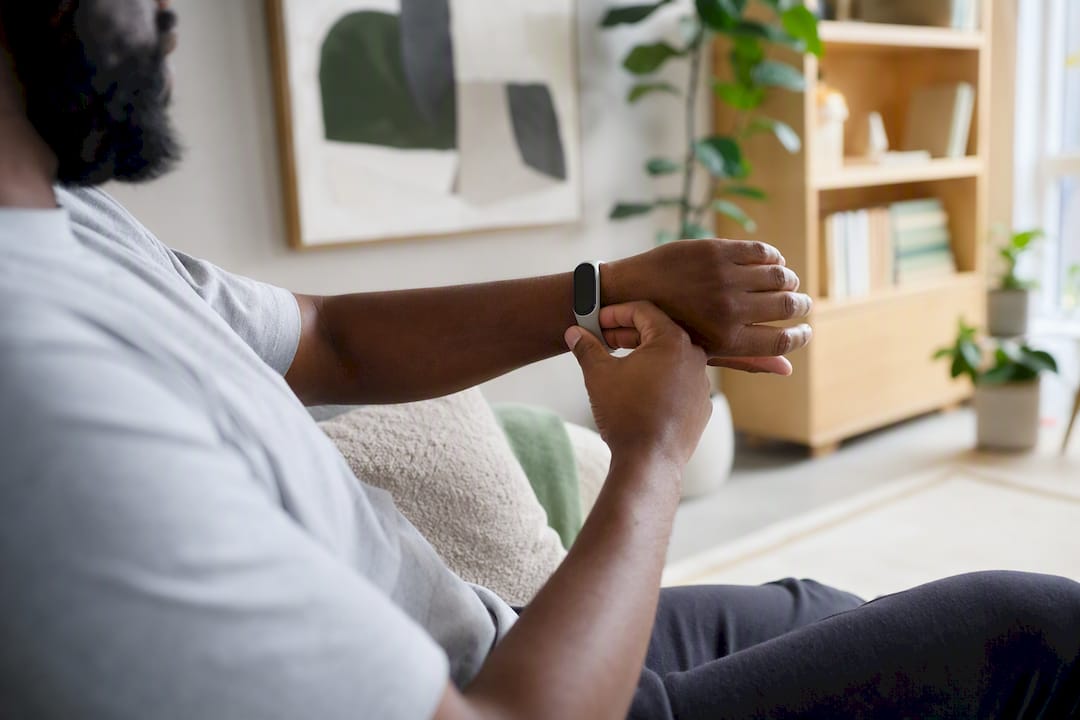
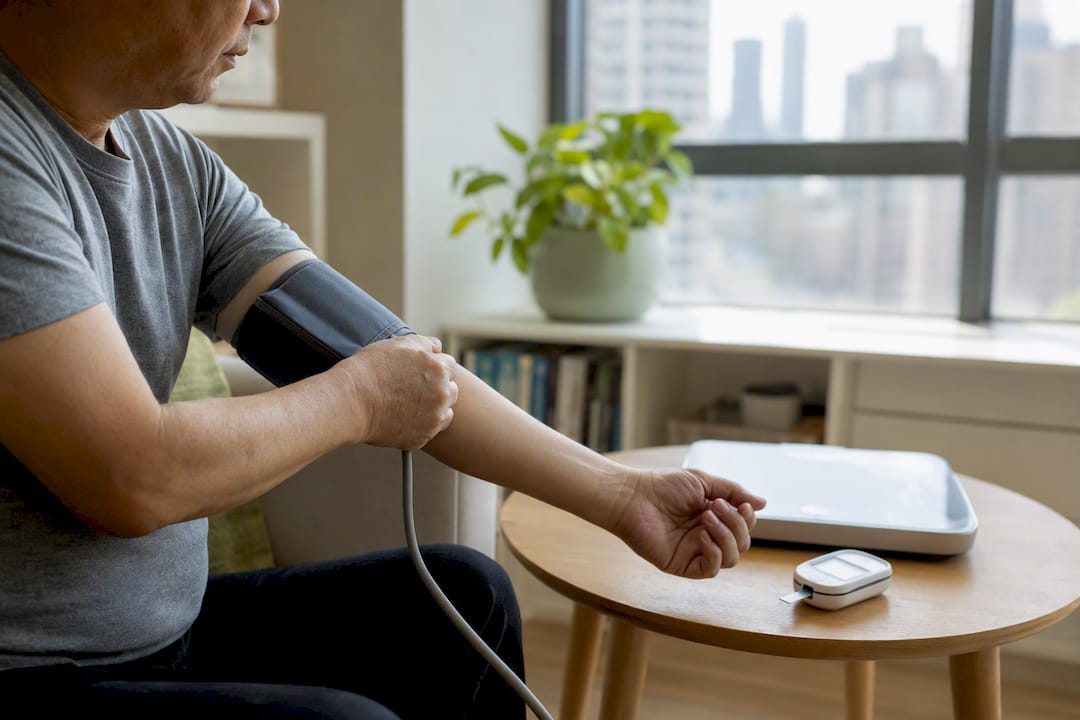
Remote monitoring devices and wearables supply the physiological data that apps alone can’t generate. This includes continuous glucose monitors, connected blood pressure cuffs, pulse oximeters, and consumer wearables that track heart rate and activity. The distinction that matters here: consumer wearables are optimized for engagement, while medical-grade monitoring devices are built and often validated for clinical accuracy.
Connectivity and interoperability is the least visible layer and the one that determines whether a platform actually works at scale. This is where standards like HL7 FHIR (Fast Healthcare Interoperability Resources) come in, letting a platform’s data sync with a hospital’s electronic health record instead of sitting in a separate silo. A platform without EHR integration forces clinicians to manually reconcile two systems, which is exactly the kind of friction that kills adoption.
Cloud analytics and clinical decision support turn raw data streams into something usable. Trend detection, threshold alerts, and risk scoring live here. This layer decides whether a rising blood pressure reading triggers a notification or gets buried in a data export nobody reviews.
Provider dashboards and escalation tools close the loop. A dashboard that flags an abnormal reading, routes it to the right clinician, and documents follow-up is what separates a platform from a passive tracker.
Pro Tip: When you’re comparing platforms, ask specifically who sees your data and how fast. A platform that promises “real-time monitoring” but takes 48 hours for a human to review an alert isn’t offering real-time anything.
Businesses building consumer-facing engagement tools face a related challenge outside healthcare. Fitness platforms, for instance, have documented how connected apps improve member engagement and retention when the technology layer is designed around actual behavior patterns rather than novelty features, a lesson that applies just as directly to clinical mHealth design.
How Is Mobile Health Used in Everyday Care?
The theory behind mHealth only matters if it shows up in situations people actually recognize. Four use cases account for most of what’s happening in the field right now.
Remote patient monitoring for chronic disease is the largest and most mature category. Patients with hypertension, diabetes, or heart failure use connected devices to transmit readings between visits, letting a care team spot a worsening trend before it becomes an emergency room visit. This is where the strongest clinical integration research has focused, because the model depends entirely on someone reviewing the data.
Same-day telehealth consultations solve a different problem: access speed. A patient with a urinary tract infection, a skin rash, or a medication question doesn’t need to wait two weeks for a primary care slot. Platforms built around same-day virtual visits compress that timeline to hours, which matters most for primary care needs that are urgent but not emergency-room urgent.
Medication adherence tools range from simple push notifications to more sophisticated systems that track refill timing and flag gaps. Missed doses are a well-documented driver of poor outcomes in chronic disease management, and even basic reminder systems move the needle when patients actually engage with them.
Digital therapeutics and structured behavior-change programs are the newest and, in some ways, most interesting category. These are apps built around a specific clinical protocol, such as CBT-based modules for anxiety or structured coaching for weight management, rather than generic tracking. Some function closer to a treatment than a tool.
A few other applications worth naming directly:
- Population health outreach, where health systems use mHealth to identify and contact patients overdue for screenings or vaccinations.
- Post-discharge monitoring, catching complications in the days after a hospital stay when readmission risk is highest.
- Specialty prescription management, particularly for conditions like weight loss where ongoing check-ins and medication adjustments benefit from continuous rather than episodic contact.
- Mental health support, including both crisis resources and ongoing therapy delivered through secure video and messaging.
The thread connecting all of these: the ones that work best treat the app as a channel to a clinical relationship, not a replacement for one.
Where Does the Evidence Support mHealth, and Where Is It Mixed?
The research on mHealth effectiveness is genuinely encouraging in some areas and genuinely thin in others, and the honest answer depends heavily on what outcome you’re measuring and how the platform is used.
Medication adherence shows some of the most consistent positive results across the literature. Behavior-change and digital-therapeutic interventions have produced measurable, if modest, clinical improvements, including BMI reductions of 0.43 kg/m² in some studies when patients stayed engaged with the program. That’s a real number, but it’s also a modest one. Nobody should expect an app alone to produce dramatic weight loss without the medical, dietary, or pharmacological support that actually drives larger outcomes.
An umbrella review synthesizing multiple meta-analyses on mobile phone interventions for chronic disease found moderate additive effects when mHealth tools augmented routine care rather than replaced it. Certain conditions showed more consistent improvement in markers like blood pressure and HbA1c than others, and the review’s authors were careful to note that evidence certainty varies by condition and by how the intervention was delivered.
The clearest signal across the clinical integration research is this: mHealth delivers its strongest results when it closes the loop between what a patient reports and what a clinician does with that information. Platforms used in isolation, without a professional reviewing the data, consistently show smaller and less durable effects than platforms embedded in an actual care relationship.
Why does the same intervention produce different results across studies? Three factors explain most of the variation. Engagement is the biggest one; an app that’s abandoned after two weeks can’t produce a two-year outcome. Study design matters almost as much, since a 90-day pilot with highly motivated volunteers rarely predicts what happens in a general population over a year. And integration with clinical care is the factor the Nature and BMC Digital Health reviews point to most directly: platforms that route data to a clinician who adjusts treatment accordingly outperform passive tracking tools by a meaningful margin.
The practical takeaway for anyone evaluating a platform: expect clinically meaningful change when three things are true at once. The app is paired with an actual care team, you use it consistently rather than sporadically, and the specific outcome you’re targeting (adherence, blood pressure, mood tracking, weight) is one where the published evidence is reasonably strong rather than preliminary.
How Do Regulators Tell a Clinical App From a Wellness Tool?
This is the part of mHealth most people never check, and it’s the part that determines whether an app’s claims mean anything.
The FDA doesn’t regulate every health app. It focuses oversight on software functions that meet the legal definition of a medical device, a category known as Software as a Medical Device, or SaMD. An app that calculates insulin dosing based on glucose readings and recommends a clinical action functions very differently, in the FDA’s eyes, from an app that logs your mood in a journal. The first can carry real regulatory obligations. The second, in most cases, falls into a wellness exclusion with essentially no federal oversight of its accuracy or claims.
The FTC’s mobile health apps interactive tool was built specifically to help developers, and by extension consumers, figure out which federal rules apply to a given app. It walks through questions about what the app does, what data it collects, and who it shares that data with, then points to the relevant FDA, FTC, or HIPAA guidance. It’s a genuinely useful five-minute check before trusting any new health app with sensitive information.
HIPAA is its own separate question, and a common source of confusion. HIPAA protections generally apply when a covered entity, such as a doctor’s office, hospital, or their business associates, handles your health information. Many consumer wellness apps fall outside that boundary entirely, meaning your data may not carry HIPAA protections even though it feels like medical information. A licensed telehealth platform delivering actual clinical care, by contrast, typically operates under HIPAA obligations because a covered provider is involved. Reviewing how telehealth consent works before your first visit is a reasonable step for understanding exactly what protections apply to your situation.
A short list of practical red flags worth watching for:
- Vague language like “clinically proven” without a named study or regulatory clearance to back it up.
- No mention anywhere of who reviews your data or how quickly.
- Data-sharing terms buried in fine print that allow broad third-party sharing.
- Claims of diagnosis or treatment recommendations from an app with no licensed clinician involved.
Pro Tip: Search the app’s name plus “FDA clearance” before you rely on it for anything beyond general tracking. If nothing comes up and the app is making treatment-level claims, treat that gap as a real warning sign, not a technicality.
What Are the Real Benefits and Limitations of Mobile Health Platforms?
The upside of mHealth is genuine, but it’s worth separating what the technology reliably delivers from what depends heavily on how you use it.
Accessibility is the clearest win. Same-day virtual visits remove the two-week wait that keeps people from addressing problems early, and rural or mobility-limited patients gain access to specialists who would otherwise require hours of travel. Cost savings follow a similar logic: fewer missed workdays, fewer unnecessary emergency visits, and often lower per-visit costs than in-person urgent care.
The benefit that matters most, though, is one already established earlier in this guide: outcomes improve substantially more when a platform is integrated with an actual care team rather than used as a standalone tracker. A blood pressure app that just stores numbers for you to look at later is convenience. The same app feeding into a nurse’s daily review queue is medicine.
Limitations deserve equal weight. User engagement drops off fast; most consumer health apps see steep abandonment within weeks, which caps their real-world effectiveness regardless of what a clinical trial showed under more controlled conditions. Digital literacy is a genuine barrier for some patients, particularly older adults managing complex chronic conditions who may need extra support to use a platform confidently. And evidence gaps remain real; plenty of apps make health claims well ahead of any published data supporting them.
Risks are worth naming plainly rather than glossing over:
- Data security concerns are legitimate, especially for apps operating outside HIPAA’s protections.
- False reassurance can happen when a normal-looking reading on an unvalidated device leads someone to delay seeking care they actually need.
- Fragmentation of care occurs when patients use multiple disconnected apps that never talk to their actual physician, creating a data trail nobody coordinates.
- Alert fatigue affects clinicians on the receiving end when a platform generates too many low-value notifications, burying the ones that matter.
None of these risks are arguments against mHealth broadly. They’re arguments for choosing platforms deliberately rather than downloading whatever ranks highest in an app store search.
How Should You Evaluate a Mobile Health Platform?
Choosing a platform, whether for yourself or asking your physician about one they’ve recommended, comes down to five categories of questions.
- Check the evidence and regulatory status first. Has this specific platform published outcome data, or is it relying on general category claims? Is it cleared or registered with the FDA if it’s making treatment-level claims, or does it fall under the wellness exclusion?
- Confirm interoperability. Does the platform sync with your existing electronic health record, or does it create a separate silo your doctor will never see? FHIR-based integration is a good sign; a platform that only exports PDF reports is not.
- Ask about security and consent practices directly. Who can see your data, how long is it retained, and is it shared with third parties for advertising or research without explicit consent?
- Verify clinical integration and escalation policy. If a reading crosses a concerning threshold, what happens next, and how fast? A platform without a defined escalation path is a tracker, not a care tool.
- Understand the operational model. What does it cost, is insurance accepted, how long does onboarding take, and what happens if you need support outside business hours?
| Evaluation area | What to check |
|---|---|
| Evidence base | Published studies or outcome data specific to the platform, not just the general category |
| Regulatory status | FDA clearance status for any app making diagnostic or treatment claims |
| Interoperability | FHIR-based EHR integration versus data trapped in a standalone app |
| Security and consent | HIPAA applicability, data retention terms, and third-party sharing policy |
| Clinical escalation | A defined process for what happens when a reading or symptom crosses a concerning threshold |
Running through this list takes maybe ten minutes and eliminates most of the platforms that look impressive in an app store listing but fall apart under basic scrutiny.
How Does Zealthy Put These mHealth Principles Into Practice?
Zealthy is a working example of most of the components covered throughout this guide operating as a single system rather than separate pieces. The platform pairs a patient-facing app with licensed clinicians, prescription fulfillment, and a care model built around same-day access instead of the multi-week waits common in traditional primary care.
The pieces line up with the checklist above in a few concrete ways:
- Clinical oversight, not just tracking. Care plans for concerns like weight management, anxiety, or erectile dysfunction are built and adjusted by licensed professionals, closing the loop the evidence section identified as the difference between a passive app and an actual care platform.
- Provider experience. Zealthy’s clinicians average more than a decade of clinical experience, which matters directly for the escalation and judgment calls that automated alerts alone can’t replace.
- Integrated delivery. Same-day primary care visits and home prescription delivery are handled inside one workflow instead of requiring separate apps for scheduling, consultation, and pharmacy pickup.
- Consent and privacy transparency. Telehealth consent terms are disclosed upfront rather than buried, letting patients understand what they’re agreeing to before a visit begins.
Ask any platform, Zealthy included, the same five questions from the checklist above: who reviews your data, how quickly do they act on it, what happens if something looks concerning, what’s the actual cost structure, and is a licensed clinician genuinely involved in your care plan. A platform that answers all five clearly has earned a real look.
If you’re comparing Zealthy against another option, apply the checklist directly. Ask about clinician credentials, confirm what happens after you submit a symptom report, and check whether your specific condition, whether it’s mental health care or a specialty prescription need, fits the platform’s actual scope of practice rather than a generic marketing description.
Why Clinical Integration Is the Detail Everyone Skips
The conventional wisdom about mHealth treats app quality as the deciding factor: better interface, better outcomes. The evidence doesn’t really support that framing. What actually predicts whether a platform helps you is much less glamorous. It’s whether a licensed human being sees your data and does something with it in a reasonable timeframe.
That’s an inconvenient answer because it means the flashiest app in the store might do less for you than a plainer one backed by an actual clinical team. It also means the right question to ask before adopting any health app isn’t “does this look sophisticated,” but “who is on the other end of this data, and what changes because they saw it.”
If you take one thing from this guide, prioritize that question over every other feature comparison. Evidence quality and regulatory status matter too, but they’re downstream of the same core issue: a platform without clinical follow-through is a very expensive notebook.
— Bryan
Get Same-Day Care Through an Integrated Mobile Health Platform
Zealthy gives you the exact model this guide argues for: a licensed clinician reviewing your care, not an app running on its own. Instead of juggling separate tools for scheduling, consultation, and pharmacy pickup, one platform handles same-day visits, personalized treatment plans, and prescription delivery to your door.
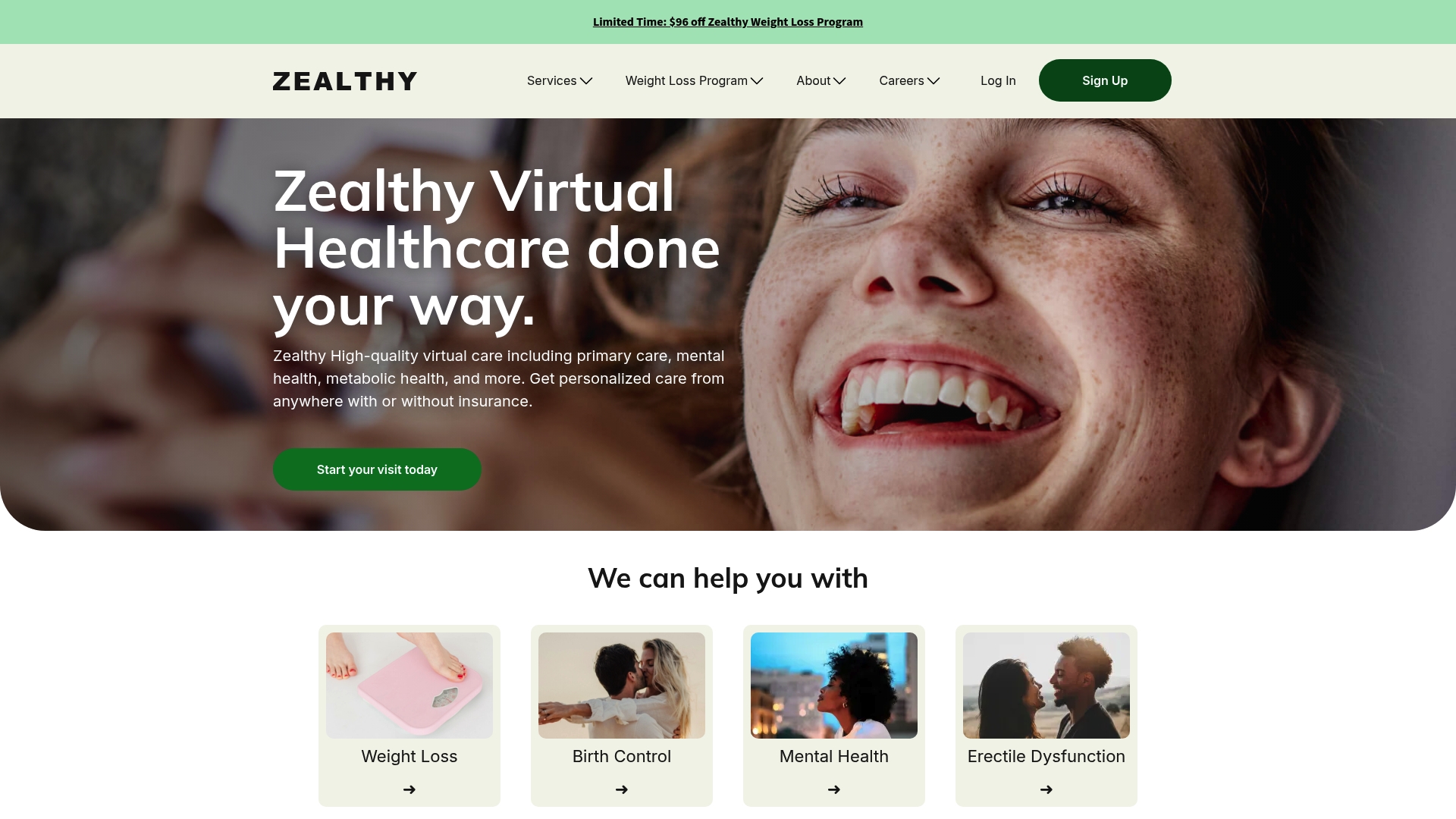
That matters most for conditions where waiting weeks for a routine appointment means waiting weeks to actually feel better, whether that’s weight management, anxiety, hair loss, or skincare concerns that respond best to consistent follow-up rather than a single visit. Zealthy’s clinicians average more than ten years of experience, and care plans get adjusted based on how you’re actually responding, not a static prescription handed out once and forgotten.
If anything in this guide made you want to check a platform against a real checklist, start with your own care. Book a visit through Zealthy and see how a same-day consultation, a tailored plan, and direct prescription delivery fit together in practice.
Sources
FAQ
What Are Examples of Mobile Health?
Common examples include remote patient monitoring for chronic conditions, medication adherence apps, same-day telehealth consultations, and wearable sensors that transmit data like heart rate or blood glucose to a care team.
What Are the Disadvantages of Mobile Health Apps?
The main drawbacks are steep user engagement drop-off over time, digital literacy barriers for some patients, uneven evidence quality across apps, and data security risks when an app operates outside HIPAA’s protections.
Who Funds Mobile Health Clinics?
Funding sources vary widely and include public health grants, health system budgets, insurance reimbursement for covered telehealth visits, and, for direct-to-consumer platforms like Zealthy, patient payments for consultations and treatment plans.
Is Mobile Health a Good Industry to Rely On?
Mobile health can deliver real clinical value, particularly for medication adherence and chronic disease monitoring, but outcomes depend heavily on whether the specific platform integrates licensed clinical oversight rather than functioning as a standalone tracker.



.svg)
.svg)
.svg)
.svg)

