Telehealth is largely as effective as in-person care for many everyday needs, with the strongest evidence in counseling and mental health care and in some chronic disease management. The Agency for Healthcare Research and Quality finds equivalent outcomes and safety for triage, counseling, and routine monitoring, and a 2025 diabetes review points the same way. Results still vary by condition, visit format, and access.
TL;DR:
- Across 17 trials involving 2,394 participants, telemedicine improved depressive symptoms, and psychiatric outcomes matched in person care for PTSD, mood, and anxiety disorders.
- A 2025 review of 30 studies linked virtual type 2 diabetes care to a mean HbA1c reduction of 0.37% versus standard care.
- For heart failure, pooled research found 37 fewer hospitalizations per 1,000 patients and 1.07 fewer hospital days per patient.
- Choose in person care when symptoms require a physical examination, immediate procedures, imaging, or lab tests; seek emergency care for serious or rapidly worsening concerns.
- Telehealth access varied: 81.2% of Medicare beneficiaries said their usual providers offered it, while internet access and prior video experience affected availability.
Table of Contents
- What do systematic reviews say about telehealth versus in-person care?
- How well does telehealth work for specific conditions?
- What changes whether telehealth works for you?
- How can you get more from every telehealth visit?
- Do patients actually like telehealth care?
- How do you measure telehealth treatment success?
- Why do personalized, integrated care plans help?
- Does prescription delivery affect adherence and outcomes?
- What does the evidence say about the conditions we treat?
- What happens to telehealth results over the long term?
- A practical view on what the evidence means
- Try an integrated telehealth option built around this evidence
- FAQ
- Sources
What do systematic reviews say about telehealth versus in-person care?
When researchers pool many studies instead of relying on any single trial, a consistent picture emerges. Telehealth tends to match in-person care where the work is mostly conversation, review, and monitoring.
A scoping review of virtual care in primary care concluded that virtual visits can be safe and appropriate for triage and equivalent to in-person care for counseling and some rehabilitation services. An evidence map of systematic reviews reached a similar conclusion. Telehealth showed consistent benefits when used for communication, counseling, and remote monitoring in chronic conditions.
Here is what the evidence supports most clearly:
- Counseling and talk therapy produce results comparable to face-to-face sessions.
- Triage by video or phone is a safe way to decide how urgently someone needs to be seen.
- Remote monitoring helps people with long-term conditions stay on track between visits.
- A rapid review of video visits found similar clinical effectiveness, health care use, patient satisfaction, and quality of life compared with usual care in the areas studied.
- A safety review found most reported adverse-event rates similar to in-person visits.
A 2025 systematic review of 30 studies found virtual care for type 2 diabetes was associated with a mean HbA1c reduction of 0.37% compared with standard care. Small as it looks, the same review notes that a 1% drop in HbA1c correlates with a 37% reduction in microvascular complications, so even modest gains can matter over time.
Quality is uneven. High-quality randomized trials exist for depression, heart failure, and diabetes, but many other areas rest on smaller or mixed studies. An umbrella review of 26 meta-analyses found digital health services generally as effective as usual care for non-communicable diseases. The takeaway is not that telehealth works for everything. It works well for the right problems.
How well does telehealth work for specific conditions?
Success depends heavily on what you are being treated for. The evidence is deepest in mental health and chronic disease.
Mental health. A meta-analysis of 17 trials with 2,394 participants found telemedicine significantly improved depressive symptoms (standardized mean difference of −0.44) and brought some gains in quality of life. A meta-analysis of psychiatric treatment reported comparable clinical outcomes for PTSD, mood disorders, and anxiety disorders. An umbrella review also reported benefits for adults with depression and anxiety across severity levels. Diagnosis holds up too: a telepsychiatry meta-analysis found agreement with face-to-face diagnosis ranging from substantial to almost perfect across 16 disorders, though it varies by disorder.
Diabetes. The HbA1c finding above applies here. Regular virtual check-ins, glucose data review, and medication adjustments translate well to a screen.
Heart failure and hospital use. A meta-analysis in the Journal of Medical Internet Research reported that telehealth reduces condition-related hospitalizations by 37 per 1,000 patients and cuts mean hospital days per patient by 1.07. The effects were stronger for conditions such as heart failure.
Where it falls short:
- Problems that need a hands-on exam, such as abdominal pain or a suspicious lump
- Conditions needing immediate procedures, imaging, or lab draws
- Areas where studies are sparse or results conflict
What changes whether telehealth works for you?
The same visit can succeed for one person and fall flat for another. Several factors outside the diagnosis itself make the difference.
- Digital access and comfort. A survey of Medicare beneficiaries found 81.2% said their usual providers offered telehealth, but access varied with internet access, prior video-call experience, income, and region. Reliable high-speed internet and a quiet space also affect assessment quality.
- Patient selection. Clinicians use telehealth for triage, counseling, and stable chronic care. Diagnostic concordance is high when a physical exam is not required.
- Visit format. An AHRQ-profiled study found differences in ordering and prescribing across video, phone, and in-person visits, but rare differences in emergency visits or hospitalizations overall. Video visits showed fewer follow-up ED visits than phone visits in some analyses.
- Clinic workflow. Convenient scheduling, connected records, and planned follow-up may help address problems without unnecessary repeat visits.
Pro Tip: Choose the visit format that fits your concern and access needs. Your clinician can help decide whether video or phone is appropriate.
How can you get more from every telehealth visit?
A little preparation goes a long way. Our telehealth visit checklist walks through the details, and these steps cover the essentials.
- Test your camera, microphone, and connection 10 to 15 minutes before the visit.
- Choose a quiet, private spot with good light.
- Write down your symptoms, current medications, and recent readings such as blood pressure or glucose.
- Ask how certain the diagnosis is, which warning signs to watch for, and whether you need labs or imaging.
- Before you hang up, confirm follow-up timing, how prescriptions will reach you, and when to switch to in-person care.
Telehealth may not be appropriate when symptoms could signal a serious or rapidly worsening problem. Seek immediate emergency care if you are concerned about a medical emergency. Our guide to telehealth versus urgent care helps you decide by symptom. It is also worth knowing how your information is protected before you start.
Pro Tip: Keep a short note on your phone with your medication list and recent numbers. You will use it at every visit.
Do patients actually like telehealth care?
Satisfaction is where telehealth often shines. A systematic scoping review reported higher patient satisfaction, driven by convenience and fewer barriers such as transportation and childcare, when the clinical context is appropriate. For someone managing a long-term condition or living far from a clinic, skipping the drive and the waiting room can decide whether care happens at all.
Satisfaction is not the same as clinical success, and the two should be read together. The video rapid review above found satisfaction and quality of life on par with usual care, which suggests convenience does not come at the cost of experience.
Several patient-reported factors tend to matter:
- Time saved on travel and waiting
- Easier scheduling around work and family duties
- Comfort discussing sensitive topics from home
- Feeling heard, which depends on a stable connection and a clinician who stays engaged
Access also shapes the picture. People who find in-person care hard to reach may see the largest gains. Those without reliable internet or comfort with video may report the opposite, as the access disparities above show. Measuring how patients feel, then, is most useful when paired with the clinical measures covered next.
How do you measure telehealth treatment success?
“Did it work?” has several answers, and good programs track more than one.
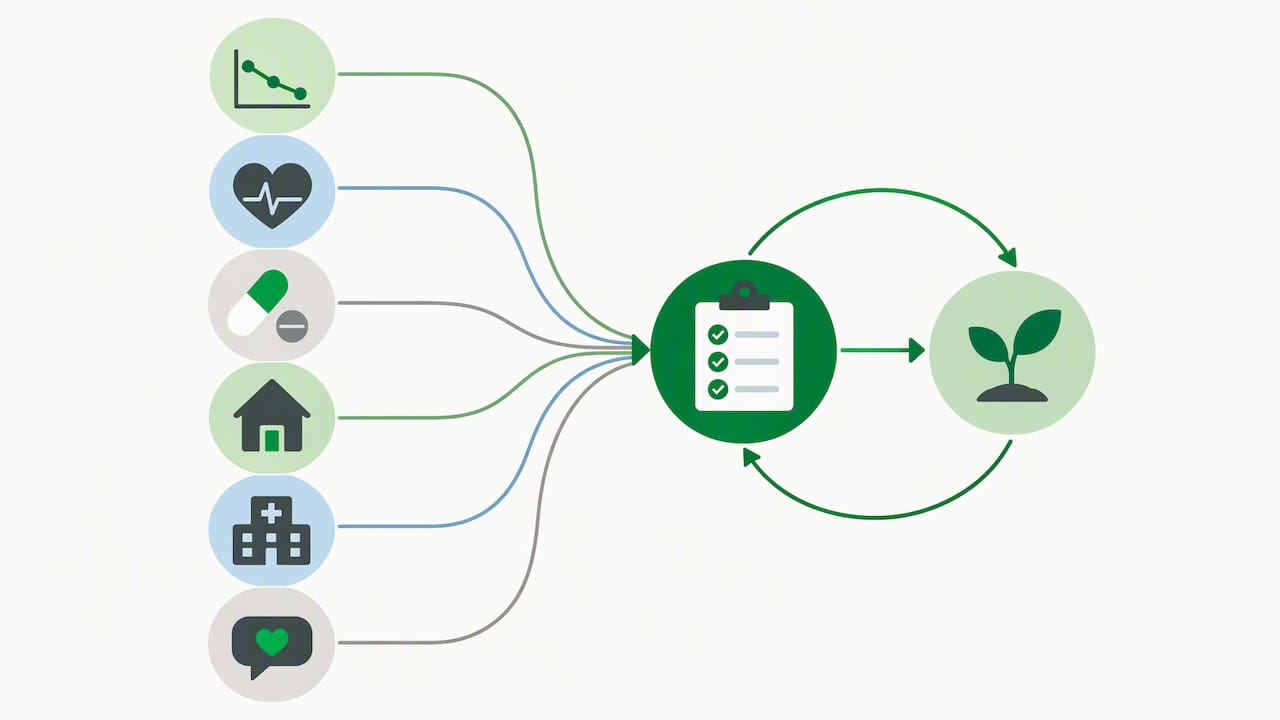
Symptom improvement. Standardized scales show whether symptoms are easing. The depression meta-analysis above relied on this kind of measure, which is how an effect like −0.44 gets calculated.
Biometric markers. For chronic disease, lab values and home readings track progress. HbA1c in diabetes is the clearest example, and blood pressure and weight serve a similar role elsewhere.
Adherence. Are you taking medication as prescribed and keeping follow-up appointments? Treatment cannot work if it is not being used, so adherence is both a result and a driver of success.
Functional outcomes. Can you sleep through the night, return to work, exercise, or manage daily tasks? These often matter more to patients than a lab number.
Health care use. Fewer emergency visits and hospital days suggest problems are being caught early, as in the hospital-use meta-analysis.
Patient experience and safety. Satisfaction, quality of life, and adverse-event rates round out the picture.
When you start a program, ask which of these will be tracked and how often you will review them together. A plan with clear targets is easier to adjust than one without.
Why do personalized, integrated care plans help?
Treatment tends to work better when it fits the person and when the pieces connect. A weight loss plan that ignores anxiety, or a sleep plan that overlooks a medication side effect, can stall without anyone knowing why.
The evidence for integration is indirect but consistent. The AHRQ brief describes telehealth as a flexible tool best used across triage, routine follow-up, and stable chronic care, and the primary care scoping review shows virtual care can cover many of those functions in one place. When one team sees the whole picture, adjustments happen faster and follow-up is less likely to slip.
This is the model we follow. Our primary care and specialty services sit on one platform, so your care plan can reflect your goals, history, and other conditions. Personalization shows up in practical ways:
- Dosing and treatment choices based on your response, not a fixed template
- Check-ins timed to your situation
- Messaging with your clinician between visits
- A coordinated approach to your care
Convenient access can reinforce this, allowing concerns to be addressed promptly. Our article on online follow-up care explains how follow-up may help reduce repeat visits.
Does prescription delivery affect adherence and outcomes?
Getting a prescription is only half the job. You also have to get it filled, take it correctly, and refill it on time. Gaps at any of those steps can erase the benefit of a good visit.
The published studies we reviewed focus mainly on clinical outcomes and visit patterns, not on delivery itself, so claims about delivery should be made carefully. The primary care study shows prescribing patterns differ by visit type, which reinforces that medication management is part of care quality and worth checking in any program.
What sensible medication management looks like in practice:
- Clear instructions on dose, timing, and what to expect
- A plan for refills before you run out
- Easy ways to report side effects and ask questions
- Follow-up that adjusts treatment based on your response
Home delivery removes a trip to the pharmacy, which can matter for people with limited transportation, busy schedules, or conditions that make errands hard. We deliver prescriptions as part of our model so the step between a decision and a started treatment is shorter. Because the research here is thin, we encourage you to judge a service by how well it supports you after the prescription, not just by how quickly the box arrives.
What does the evidence say about the conditions we treat?
Evidence varies a great deal across the areas where people most often seek virtual care.
Anxiety and depression. This is the strongest area. The meta-analyses cited above show benefits for depression and anxiety, comparable results to in-person psychiatric treatment, and strong diagnostic agreement. Telehealth is a well-supported route for these concerns.
Weight loss. Our evidence set does not include a dedicated systematic review of virtual weight management, so we will not claim a specific effect size. What it does support is the general principle that remote monitoring and counseling work well for chronic conditions, and weight care relies heavily on both. Our weight loss program offers individualized plans.
Sleep. Sleep problems are often handled through history, questionnaires, and behavior-focused counseling, which suit a video visit. The reviews we cite do not give sleep-specific figures, so we describe it as a reasonable fit rather than a proven result.
Erectile dysfunction and hair loss. These conditions are typically assessed through history and discussion, and many people value the privacy of a virtual visit. We did not find dedicated systematic reviews in our evidence set for these, and we do not attach outcome numbers to them. A clinician will tell you if an in-person exam is needed.
Being honest about where evidence is strong and where it is still growing helps you set realistic expectations.
What happens to telehealth results over the long term?
Most of the studies above measure outcomes over weeks or months, so firm claims about many years of telehealth care are harder to make. What the evidence does show is that sustained, regular contact is the common thread in programs that work.
Consider the diabetes example. The review notes that a 1% HbA1c reduction is correlated with a 37% reduction in microvascular complications. This is a reported correlation, not a guarantee of an individual long-term outcome. The heart failure findings point the same way, since fewer hospital days reflect problems caught before they escalate.
Good long-term care through telehealth usually includes:
- A schedule of recurring check-ins, not one-off visits
- Periodic in-person care for exams, labs, or procedures that cannot be done remotely
- A clear route to escalate if symptoms change
- Regular review of whether the plan is still the right one
Telehealth works best as part of a continuous relationship with a clinician who knows your history. If you are managing a long-term condition, ask how follow-up is scheduled, how your data is reviewed, and how a switch to in-person care is arranged. Those answers say more about long-term success than any single visit.
A practical view on what the evidence means
I read this research as a case for telehealth as a flexible tool, not a replacement for every kind of care. It earns its place in triage, counseling, and stable chronic care, and it should step aside when a hands-on exam or urgent treatment is needed. The AHRQ framing of telehealth by function is the most useful lens I have found, because it asks what the visit needs to accomplish before asking where it happens.
Platforms that combine same-day access, connected services, and prescription delivery remove several of the small barriers that make follow-up fall apart. The larger issue is equity. Access still depends on internet quality and comfort with technology, and that gap needs to be closed at the system level, not left to patients to solve alone.
— Bryan
Try an integrated telehealth option built around this evidence
We bring primary care, mental health care, and specialty treatments together in one place. Ask about appointment availability and prescription services. That structure matches what the research favors: connected services, quick follow-up, and plans fitted to you.
- Visit our primary care page to learn more or book a visit.
Before you start, confirm with your clinician that telehealth suits your condition, and agree on how follow-up will work.
This article is general information, not a substitute for advice from a qualified doctor. Consult a qualified healthcare professional about your own circumstances before acting on anything here.
FAQ
How effective is telehealth compared with in-person care?
For many uses, telehealth is about as effective as in-person care. AHRQ reports equivalent outcomes and safety for triage, counseling, and routine chronic disease monitoring. It is less suited to problems that need a physical exam.
Does telehealth work for anxiety and depression?
Yes, the evidence here is among the strongest. A meta-analysis of 17 trials found telemedicine significantly improved depressive symptoms. Reviews also report comparable results to in-person psychiatric treatment.
What are the main benefits of telehealth services?
The most consistent benefits are convenience and easier access. A scoping review linked higher satisfaction to fewer barriers such as transportation and childcare. Telehealth can also reduce hospital use for some conditions.
Can telehealth help me manage diabetes?
It can help. A 2025 systematic review associated virtual care with a mean HbA1c reduction of 0.37% versus standard care. Regular check-ins and data review are what make the approach work.
Does Medicare cover telehealth visits?
Coverage depends on your plan and the type of visit. A local advisor can walk you through your options, such as the Medicare insurance agent services offered by Almond Insurance, and your clinician can tell you which visits qualify.


